









New Life Wellness & Weight Loss
Call our experienced team today…. 908-279-7740

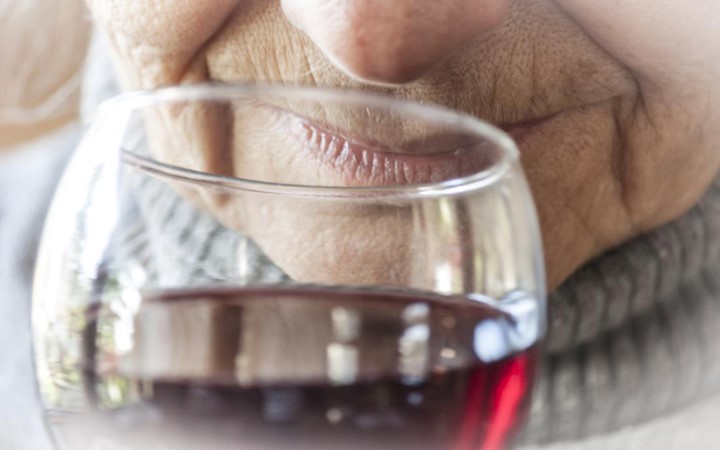
In a recent study, which analyzed the effect of alcohol consumption on different age groups, researchers have come to the conclusion that over-50- year-olds encounter less harmful side effects.
Binge drinking is associated with several health complications, including liver disease, heart failure, coronary artery disease, cancer (including breast cancer in women) as well as nervous system damage. On the other hand, moderate drinking may confer several health advantages.
A number of studies show that light to moderate alcohol consumption may prevent all-cause mortality, along with death linked to cardiovascular disease. While these findings are well known to researchers, the jury is still out on the impact of alcohol consumption. However, a new study, carried out by Timothy Naimi, of the Boston medical center in Massachusetts, and published in the Journal of Studies on Alcohol and Drugs, came to further fuel the already fierce controversy.

Authors of this research confirm that the methodology used in the previous studies might be inaccurate. They claim that the conducted studies are observational and involve subjects over the age of 50. This excludes people who might have died because of alcohol use before the age of 50, they explain. According to them, people enrolled in these studies are merely survivors of alcohol who might have been healthier or have had better drinking habits. Thereby, their selection is biased.
Investigators further add that 40% of alcohol- related fatalities occur before the age of 50. This implies that most research addressing the potential risks of alcohol disregards these deaths and could overlook the real dangers. In an attempt to reassess the impact of alcohol consumption, the authors relied on data from Alcohol-Related Disease Application, maintained by the CDC. This gathers health impacts of alcohol consumption nationwide, including deaths and years of potential life lost.

Based on data analysis, researchers found that alcohol-related risk was affected by age. Overall, 35.8% of alcohol-attributable deaths were witnessed in people within the 20-49 age range. Whereas deaths prevented by alcohol consumption in this age category accounted for 4.5%.
As for people above the age of 65, alcohol-related fatalities constituted 35%. Yet, investigators found that a whopping 80% of deaths were prevented by alcohol use in this age group.
This striking disparity between different age groups was also present in the number of potential years lost to alcohol consumption. Indeed, scientists discovered that 58.4% of the total number of years lost to alcohol was witnessed in people aged between 20 and 49. However, this age group constituted 14.5% of the years of life saved by drinking.
On the other hand, over 65 year olds accounted for 15% of the global years of life lost to alcohol, but 50% of the years of life prevented by alcohol.
Authors of the study concluded that younger people are more prone to alcohol-related deaths. While older people are likely to experience the health benefits of moderate drinking. In brief, moderate drinking may benefit people of a certain age, but remember, heavy drinking is harmful to all




To protect your stomach from cramping, bloating and constipation, here are four important tips to follow:

The lack of physical activity can lead to a sluggish digestion process. As a matter of fact, regular physical exercise stimulates the natural contraction of intestinal muscles, which helps transfer food to the digestive system hustle-free.
Being a couch potato will not help your digestion, on the contrary, it will cause several digestive problems. As tempting as it seems to lie down on the sofa after a heavy dinner, try to avoid it as much as you can. Instead, go for a night walk with your dog or move around the house for a while- your digestive system will thank you for it!

Ginger has been widely used as an indigestion remedy. Indeed, it can appease upset stomach and help relieve digestive cramps, nausea and bloating. However, a ginger beer or a slice of ginger cake will not serve the purpose. You need to consume fresh ginger root to reap the benefits.
Ginger tea may also help you just have to peel a piece of root ginger, preferably with the side of a teaspoon, slice and steep it in hot water with a slice of lemon for five minutes.
Similarly, Fennel seeds have been used in Chinese, Indian and western medicines, and are believed to soothe digestive issues. They contain substances that can appease the smooth muscle in the digestive tract, and hence, reduce cramping and bloating. Drink fennel seeds as a tea or chew them after a generous meal.
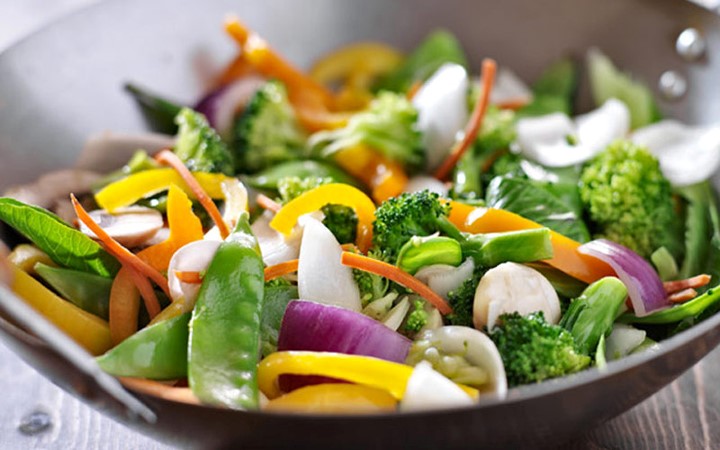
Your digestive system serves for the breakdown of food and its absorption into the main bloodstream. To fulfil this function properly, your body needs digestive enzymes.
Bitter and sour foods trigger the production of stomach juices in a natural way. So, try eating a bitter leaf salad or rocket, kale, and spinach, with a few drops of lemon juice, before a copious meal. Alternatively, you can drink a 2:1 ration of water, and lemon juice, or half a tablespoon of apple cider vinegar, around 30 minutes prior to your big meal. This can stimulate digestion fluids and keep digestive problems at bay.
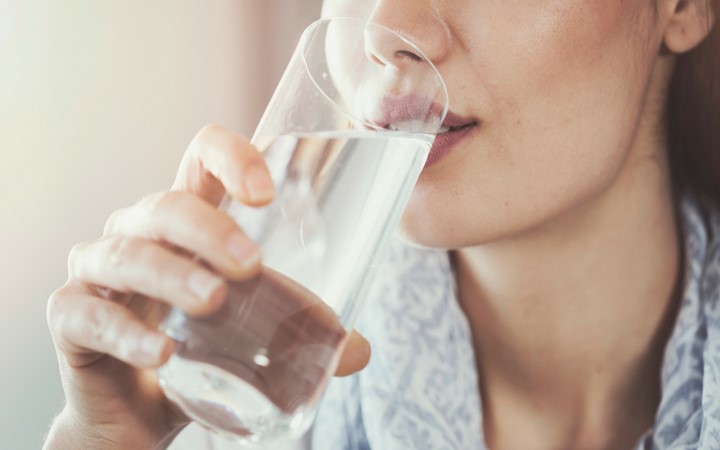
It is common knowledge that drinking plenty of water throughout the day is vital for your global health, and your digestive system is not an exception. If you don’t drink sufficiently, your body will extract water from your solid discharge (stool), making it difficult to relieve oneself. Say hi to constipation! Water also stimulates the production of the digestive juices that help break down food into nutrients. The absence of these stomach fluids can trigger several digestive issues, like gas, bloating and nausea. Ideally, drink at least 2 liters of water every day, in addition to tea, coffee, juice and high-water fruits and veggies.