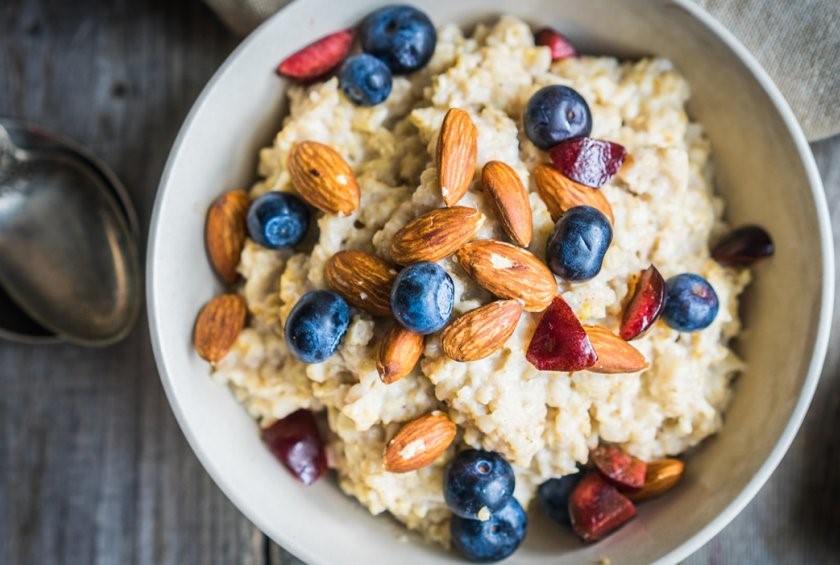


7 Ways to Have a Healthier Christmas

Christmas is notoriously a time to indulge, but don’t let this be the green light to overindulge! You can still enjoy all the festivities of the season and get through the Christmas period without too much impact on your health and waistline. Try my top 7 tips for a healthier Christmas.

1. Don’t Sit Down All Day

We know every Christmas special under the sun will be showing on the TV, but you don’t need to plonk yourself on the sofa all day! Encourage the whole family to get out for a walk at some point – ideally, after dinner to aid digestion. The more activity, the better, so take along any new outdoor gifts, like bikes, scooters, footballs or Frisbees, or play old-fashioned games.

2. Go Easy on the Booze

If you are firmly ensconced at home over the festive period, those alcohol units can really mount up. Mulled wine on Christmas eve, Bucks Fizz with breakfast, wine with dinner, Baileys, brandy… the list goes on! So, do try to keep tabs on how much you are drinking, and intersperse alcoholic drinks with soft ones, like a couple of glasses of water.

3. Don’t Give Yourself a Christmas Stuffing!

Recent research suggests that we consume around 3,000 calories in our Christmas dinner, which is more than the entire recommended daily intake for a grown man!

This huge feast not only contributes to weight gain but also to indigestion and heartburn – not to mention lethargy for the rest of the day, reducing the chances of you burning much of it off. Instead of gorging yourself on Christmas dinner, eat a normal-sized meal and then take a 20-minute break to see if you are still hungry (it takes this long for the brain to register that the stomach is full). The chances are, you’ll realize you’ve had enough.

4. Don’t Stress

‘Tis the season to be jolly’ but jolly is the last thing many of us feel with overspending, cooking, cleaning, endless ‘to do’ lists and visitors we could do without. Try to keep a sense of humor and proportion. Is it really the end of the world if the carrots are overcooked or if the mantelpiece is a bit dusty? Do you really care about Auntie Mary’s disapproval of just about everything? Remember, Christmas is just one day out of 365 and it isn’t worth stressing over.

5. Do Something for Others

It’s hard to avoid the consumerism that has overtaken Christmas in the western world, but it doesn’t all have to be about giving or receiving gifts. Try to do something for others this festive season, whether it’s baking some extra mince pies for an elderly neighbor, inviting an acquaintance who doesn’t have family around them to your home or helping out with a local Christmas fete or carol service.

6. Think Before You Eat

Christmas is a time of plenty, and with nuts, chocolates, mince pies and cheese straws wherever you look, it would be rather Scrooge-like to suggest that you don’t eat any treats over the festive period! But rather than mindlessly popping whatever is in front of you in your mouth, spend a moment thinking about whether you really want it, or are just eating it because it’s there.

7. Engage Your Brain

Instead of switching off in front of the TV, keep your mind active by playing games like Trivial Pursuit or Charades. This is also a great way of getting everyone together. If you aren’t a ‘game’ person, engage your mind by setting up any new gadgets, such as Playstations, iPads, mobile phones or laptops.

And most importantly, have a happy, healthy festive season!
There are many health benefits to hemp extract, and hemp extract has been used for many years as a natural and holistic treatment for inflammation, pain relief, depression and more. Scientific evidence is accumulating giving hemp extract oil more backing and added popularity when it comes to natural treatments. Below are some of the health benefits of hemp extract, backed by science. 
 
1. Hemp extract may relieve chronic pain.
2. Hemp extract oil reduces anxiety and depression. 
3. Hemp extract relieves cancer symptoms and may reduce tumor-growth cells.
4. Hemp extract oil is proven to reduce seizures in epilepsy.
5. Hemp extract has displayed anti-psychotic properties.
6. Hemp extract could help lower risk of diabetes and heart disease.
7. Hemp extract may improve skin health.
 

5 Signs Your Body Desperately Needs More Vitamin D

Winter is upon us and the opportunity to bask in the sun for our Vitamin D is just about gone for the season. Did you know that over one billion people around the globe suffer from vitamin D deficiency. A 2011 study reports that 41.6% of American adults have low vitamin D levels. Actually, age, race, weight and dietary habits are the major players when it comes to vitamin D deficiency.

Here are 5 subtle signs to watch for:

Consistent Tiredness

Vitamin D deficiency is often ignored as a potential reason for consistent fatigue. A series of studies have shown that a low vitamin D level is likely to cause debilitating fatigue. A case in point was a woman who constantly complained about chronic morning fatigue and headaches. It turned out she suffered from a severely low vitamin D in the blood (below 5.9 ng/ml), as the normal level should stand at 20ng/ml. After taking vitamin D supplements, her symptoms dissipated. Another study involving female nurses showed a strong relationship between vitamin D deficiency and self-reported fatigue. Around 86% of participants had low vitamin levels.

Susceptibility to Infections

Vitamin D reinforces bacteria-fighting mechanisms and keeps your immune system strong. Therefore, if you fall sick quite often, especially with winter ailments, like cold or flu, you may be deficient in this vitamin. Studies reveal a correlation between low vitamin D levels and respiratory tract infections, including bronchitis, colds and pneumonia. Other research shows that taking high-dose vitamin D supplements every day minimizes the risk of respiratory tract infections. A study found that patients with chronic lung disorder, who were extremely deficient in vitamin D, showed an improvement after consuming a high dose vitamin D supplement for a whole year.

Hair Loss

Hair loss, especially in women, is linked to vitamin D deficiency. Yet, other issues, such as alopecia areata, can result in severe hair loss from the head and other body areas. This disease is related to rickets due to the lack of vitamin D level in the blood. Bear in mind that vitamin D deficiency increases the risk of alopecia areata and is associated with more severe hair loss in people who already struggle with it. Hair loss was treated in a young boy with a defect in the vitamin D receptor thanks to the application of the synthetic form of the vitamin.

Muscle Ache

Muscle pain may occur in children and adults alike due to low vitamin D levels. A study reported that 71% of people grappling with chronic pain were found deficient. In fact, vitamin D receptors can be found in pain-sensing nerve cells (called nociceptors). A rat experiment discovered that vitamin D deficiency triggered discomfort and aches, arising from the stimulation of nociceptors in muscles. Several studies revealed that high-dose vitamin D supplements relieve aches in deficient people. Another study, which involved 120 children suffering from vitamin D deficiency and having growing pains, showed that a single dose of the vitamin alleviated the pain by 57%.

Depression

Feeling depressed may be an underlying symptom of vitamin D deficiency. Researchers found a strong relationship between low levels of vitamin D and depression, chiefly in older adults. Besides, 65% of observational studies linked depression to low blood levels. Yet, scientific experiments failed to find a correlation, either due to low doses of vitamin D in controlled studies, or because studies did not last enough to notice the effect of vitamin D supplements on the mood, researchers argue.

Other controlled studies reveal that taking vitamin D supplements soothes depression in people who are deficient, including seasonal depression that takes place during frigid months.

Fight Off a Cold or Flu with These 5 Foods

Cold and flu season is here, but that doesn’t mean you have to stock up on tissues and wait for symptoms to make you miserable. To keep fever, sneezing, runny nose, and other gnarly symptoms at bay, just do your daily 30-minute walk and chow down on these five foods to give your immune system a hefty boost.

1. Use the Power of Healthful Protein. 

One of protein’s many jobs is pumping up your ability to make disease-busting antibodies. Just steer clear of fatty red meats and full-fat dairy foods (they promote heart-hazardous inflammation). Pick up healthy-fat, high-protein foods, such as nonfat dairy, skinless white-meat chicken, ground turkey breast, tofu, fish, nuts, and beans.

2. Load Up on Colorful Eats. 

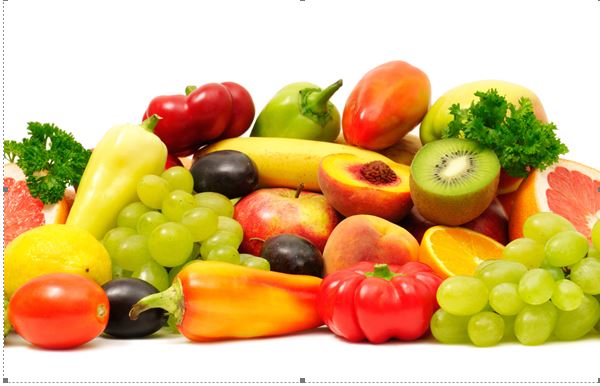
Oranges, strawberries, bell peppers, broccoli, tomatoes, kiwifruit . . . all are loaded with vitamin C and flavonoids, which help your body churn out protective immune cells.

3. Sip Hot Tea.

People who drink 5 cups (about 3 mugs) of black tea daily produce 10 times more virus-fighting interferon than coffee drinkers.

4. Eat 100% Whole-Grain Cereals. 

Oatmeal, shredded wheat, and other whole-grain cereals deliver three nutrients proved to enhance immunity: selenium, zinc, and beta glucan.

5. Spice Up Your Chicken Soup. 

If you catch something anyway, chicken soup shortens its duration by 50%. One theory about why (there are many): Cooked chicken releases cysteine, an amino acid that’s chemically similar to acetylcysteine, a bronchitis drug. Up the soup’s knockout punch to cold and flu bugs by tossing in infection-fighting garlic and hot red pepper, which contains capsaicin, a powerful decongestant.

Fight Off a Cold or Flu with These 5 Foods

Cold and flu season is here, but that doesn’t mean you have to stock up on tissues and wait for symptoms to make you miserable. To keep fever, sneezing, runny nose, and other gnarly symptoms at bay, just do your daily 30-minute walk and chow down on these five foods to give your immune system a hefty boost.

1. Use the Power of Healthful Protein. 

One of protein’s many jobs is pumping up your ability to make disease-busting antibodies. Just steer clear of fatty red meats and full-fat dairy foods (they promote heart-hazardous inflammation). Pick up healthy-fat, high-protein foods, such as nonfat dairy, skinless white-meat chicken, ground turkey breast, tofu, fish, nuts, and beans.

2. Load Up on Colorful Eats. 

Oranges, strawberries, bell peppers, broccoli, tomatoes, kiwifruit . . . all are loaded with vitamin C and flavonoids, which help your body churn out protective immune cells.

3. Sip Hot Tea.

People who drink 5 cups (about 3 mugs) of black tea daily produce 10 times more virus-fighting interferon than coffee drinkers.

4. Eat 100% Whole-Grain Cereals. 

Oatmeal, shredded wheat, and other whole-grain cereals deliver three nutrients proved to enhance immunity: selenium, zinc, and beta glucan.

5. Spice Up Your Chicken Soup. 

If you catch something anyway, chicken soup shortens its duration by 50%. One theory about why (there are many): Cooked chicken releases cysteine, an amino acid that’s chemically similar to acetylcysteine, a bronchitis drug. Up the soup’s knockout punch to cold and flu bugs by tossing in infection-fighting garlic and hot red pepper, which contains capsaicin, a powerful decongestant.