
Trick or Treat: Does Sugar Have You Spooked?

10 Halloween Weight Loss Tips

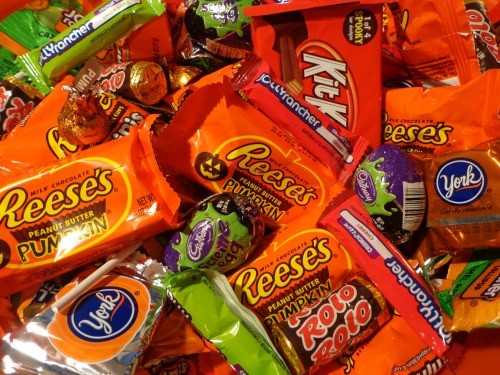
Halloween is here again and so are the empty calories. I don’t know about you but one of the things that I am not fond of is the weight gain that comes from giving into the temptation to snack on sweets that are within reach at any given moment.

Here are 10 tiny tips that have helped me over the years:

  1. Wait until the last minute to buy candy to hand out. The longer you wait the better for your waistline.
  2. Delegate treat buying to a family member or friend.
  3. Make a list of candy that is NOT one of your favorites to hand out on Halloween.
  4. Commit to a daily walk or workout with a friend to burn those extra carbs.
  5. Weigh yourself daily during the season for a reality check.
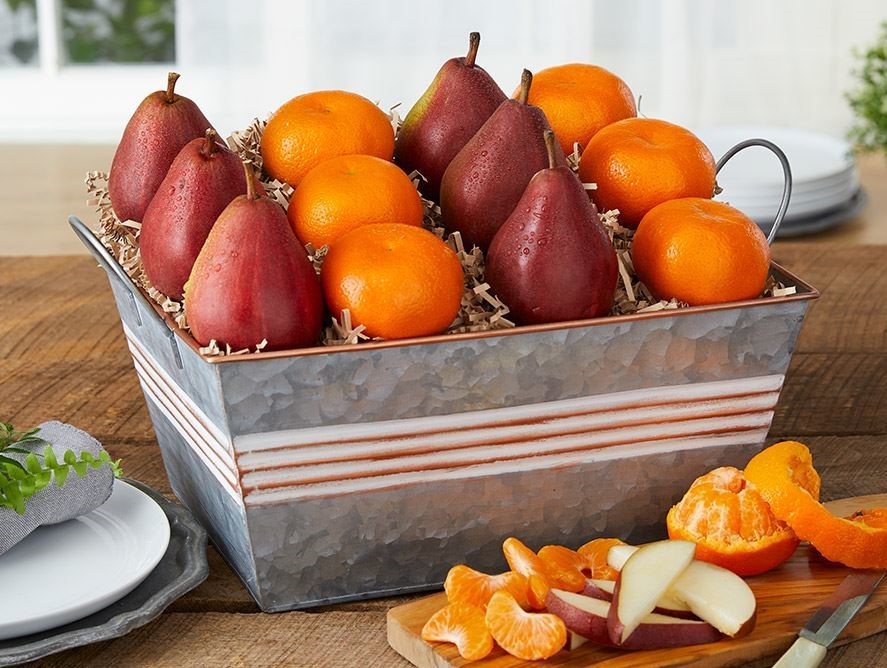
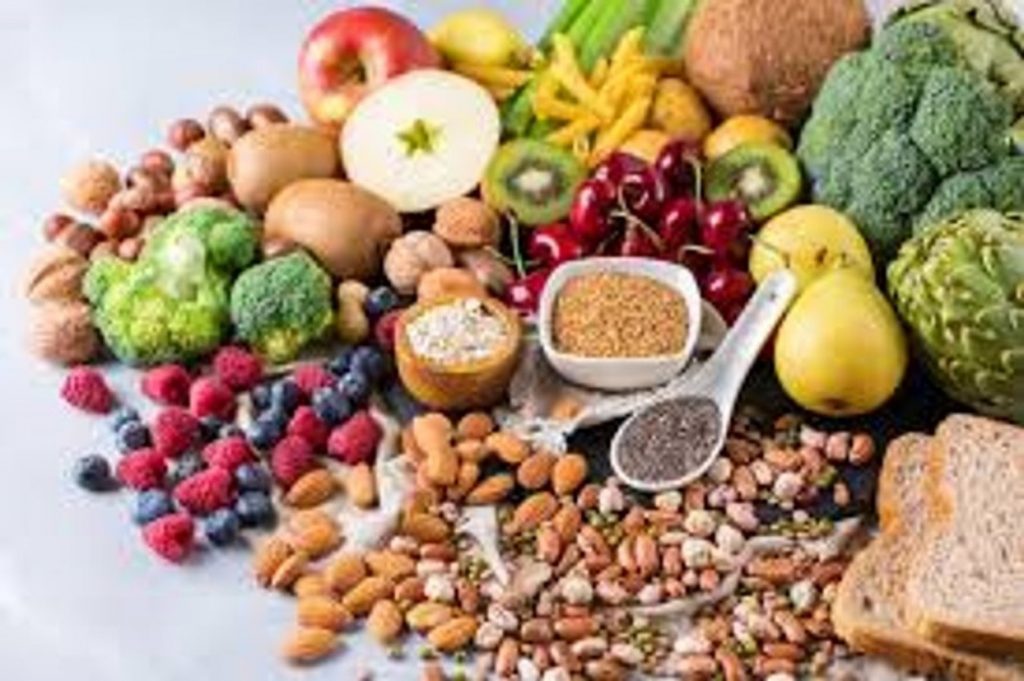
  6. Go to the farmers market and stock up on fresh fruits and vegetables to snack on.
  7. If you are dressing up for a party, try on the outfit you are wearing periodically for motivation.
  8. Offer to bring a dish to pass to a gathering that you know will be a healthy alternative for you.
  9. Limit your intake of cider and fruity juices, they pack a lot of sugar. To enjoy them, sip a small amount from a wine glass.
  10. Once the event is over, give away all tempting treats or bring them to work. It’s always good to poison someone else. Just kidding!

When these tips become part of you daily habits, you will find your weight easier to manage while you enjoy the festivities of the Halloween season.
scales

Fast-Food’s Catch? It’s Not the Calories

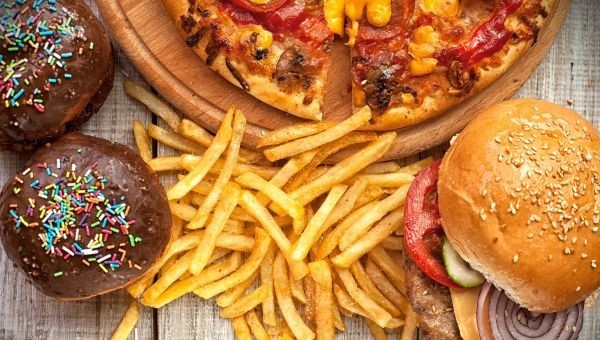
Sure, no one needs the fat and calories in a double cheeseburger with fries. But research suggests it’s not the fat and calories you should fear.

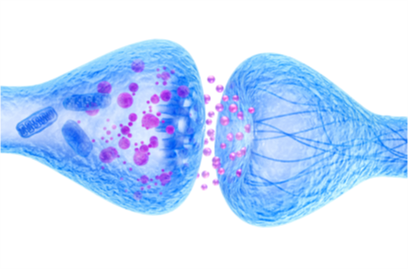
It’s the impact they have on your opioid receptors. Your what? Your opioid receptors.

Animal research suggests that fatty, sugary, high-calorie foods cause weight gain because they stimulate fat-storage genes, which then turns up the inner pound-packing dial. Salad bar, anyone?

Flipping the Fat Switch

Researchers believe kappa opioid receptors play an important role in fat metabolism and that eating foods high in fat and sugar somehow stimulates these receptors not only to promote weight gain but also to store fat in bad places. In the animal study, an unhealthful diet didn’t just increase body fat. It encouraged fat storage in the liver, too. And it zapped energy levels.

Bottom line: Garbage in means garbage stays — and makes you tired, too!

Investigating Fat Genes

More research is needed to determine if the impact fatty foods have on opioid receptors in animals holds true for our bodies, too. But there are a million other reasons to avoid the local drive-through offerings. Next time you get a craving for something oh-so-bad-for-you, try this munchie makeover instead:

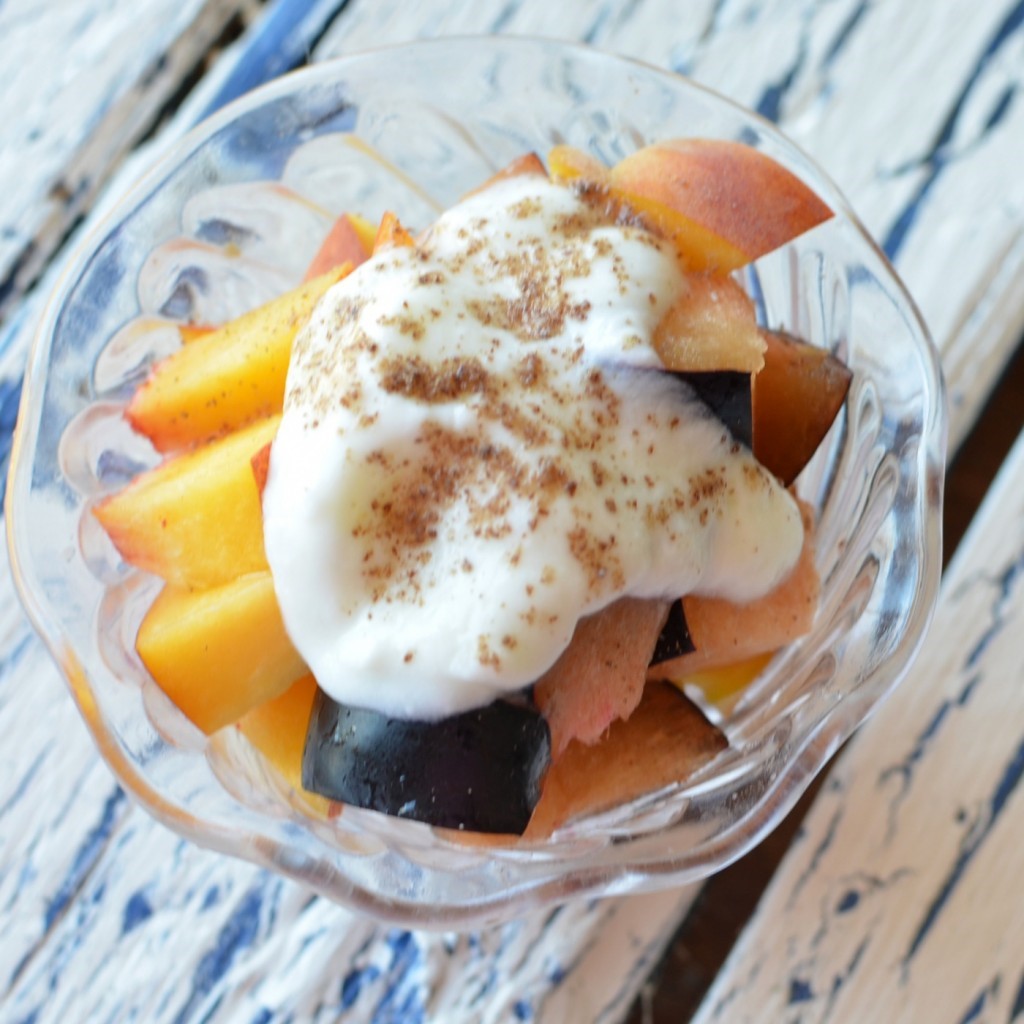
Yogurt

Go for the nonfat plain stuff and forsake flavored yogurts (even fruit-flavored ones, but especially those flavored like cookies and cream, breakfast cereals, and the like; really, you didn’t think they were good for you, did you?) often contain loads of sugar, HFCS, or dyes you just don’t need.

Stir in extra power by adding some nuts (they add healthy fats), wheat germ (it may improve your body’s ability to handle stress), or fresh fruit (blueberries, for instance, may even help protect your brain cells from aging) for texture and flavor without added chemicals.

Get the kind with bugs. We mean the beneficial bacteria called probiotics. These help boost immunity, help soothe irritable guts, and may even help fight flab. Look for labels that say the yogurt contains probiotics or “active cultures.”

Nibble This Juicy Treat to Boost Immunity

Autumn is here and things are already changing. Leaves are changing color, the warm weather is starting to disappear and not only are we still grappling with the Corona virus but seasonal allergies and the cold and flu season are just around the corner.
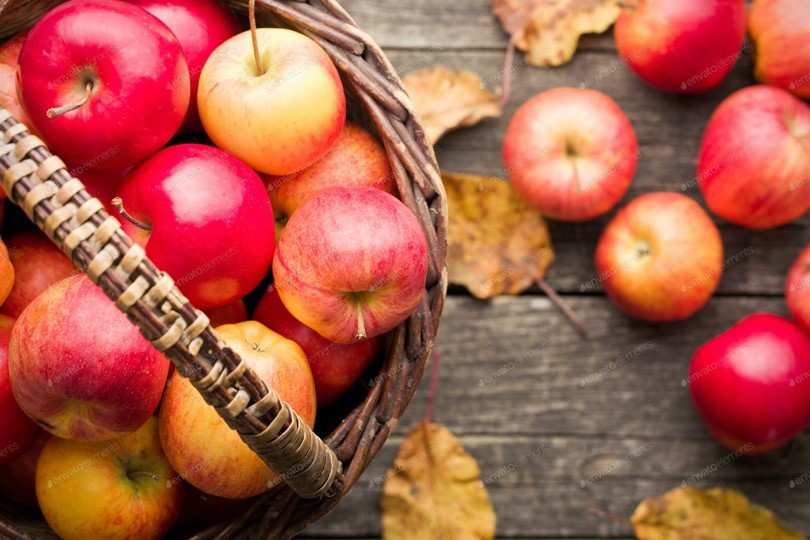
That’s why it is so important to boost your immune system during this time. And one of the best things to add to your daily diet are apples.

Studies have revealed that pectin, a special kind of fiber found in apples, may help boost levels of immune-supportive proteins. So, crunching one a day could very well help keep the doctor away this cold season.

Immune-System Makeover

Apples aren’t the only source of pectin. You’ll find it in pears, citrus, and other fruit, too. And in a recent animal study, this soluble fiber helped increase levels of interleukin-4, a compound that stimulates production of infection-fighting mast cells. And as a result, munching on pectin weakened illness severity and duration in the test subjects.

A Good Support System

One catch, though: Soluble fiber wasn’t a quick fix. It took about 6 weeks of daily soluble fiber doses to get results. The authors of the study suggest that aiming for 25 to 38 grams of total fiber per day — both soluble and insoluble — would be a good immune-supportive goal.

So have an apple a day, but add some whole-grain oatmeal, oranges, and beans to your day, too.