

LAST CHANCE ONLY 2 DAYS LEFT SEPTEMBER WEIGHT LOSS SPECIAL

5 Worst Things You’re Doing to Your Gut
It’s estimated that about 39 trillion bacterial cells reside in the human body, the vast majority in the colon. Together with other microbes, these bacteria make up the gut microbiome.
While scientists know the microbiome aids in digestion and influences our immune and nervous systems, they’re only beginning to understand the extent to which it affects our health overall. Recent studies suggest that gut bacteria may also shape our risk of developing a range of conditions, including obesity, diabetes, and some cancers. The research, however, is largely new and limited in scope, and has been done mostly on animals.

In the meantime, we can help the most beneficial members of the microbiome flourish—in terms of numbers and variety—by practicing a healthy lifestyle and avoiding some potentially detrimental habits. Here are some of the worst things you can do for your gut and its community of helpful bugs.

Taking Antibiotics Unnecessarily

While they’re great for treating bacterial infections, antibiotics are often prescribed unnecessarily for symptoms and illnesses for which they won’t do much good—like colds, which are caused by viruses. And since antibiotics are not finely-targeted drugs in the process of killing “bad” bacteria, they end up killing a lot of the normal bacteria that reside in our colon and small bowel.

Restoring the gut’s bacterial balance after periods of overusing antibiotics can take time. And a lingering imbalance may result in long-term health effects, including gastrointestinal disruption.

Being a Couch Potato

Some research links exercise to a greater number of good gut bacteria, along with a more diverse microbiome. One 2014 study published in the journal Gut suggested as much when it compared 40 professional rugby players to similarly sized, healthy people who didn’t exercise. Though their diets were also an important factor, the athletes’ microbiomes were much more varied than those of the control group, with more plentiful good bacteria. What’s more, in multiple small studies on rodents, scientists have found that animals who engage in workout regimens are better off, bacterially speaking, than those who don’t get much physical activity.

Exercise in general just has so many beneficial effects across multiple organ systems that remaining sedentary doesn’t make sense. In addition to its cardiovascular and weight control perks, working out can help lessen inflammation all over the body. Regular exercise over the long term is best, but any physical activity may contribute.

Smoking

As if there weren’t enough reasons to kick the habit, studies suggest that smoking may also reduce the amount and diversity of beneficial gut flora, while increasing the number of harmful bacteria. There are several theories as to why. Smoking may:

  • Alter the pH balance in the gut, potentially making it more hospitable to bad bugs and less comfortable for the good ones
  • Introduce toxic chemicals that change the composition of the microbiome
  • Lead to excess production of harmful free radicals

Smoking is also a risk factor for Crohn’s disease, an inflammatory bowel condition that causes chronic pain, bleeding, and diarrhea. And if you already have the condition, smoking can exacerbate these symptoms.

Not Managing Stress

It’s well known that stress can affect your digestive system. When you’re anxious, for example, you may develop diarrhea or become constipated. Some early studies indicate stress may stifle the production of good gut bacteria, as well, and make you more susceptible to infectious illnesses.

As it turns out, your gut may affect your emotions, too. That’s because it houses a division of the nervous system called the enteric nervous system, sometimes referred to as the “second brain.” Bacteria there create chemicals that send signals to the central nervous system. Scientists speculate that this influences behavior and mood, including stress-related conditions like anxiety and depression. While we’re a long way from adjusting gut flora to improve mental health, many researchers are intrigued by the possibilities.

Eating an Unhealthy Diet
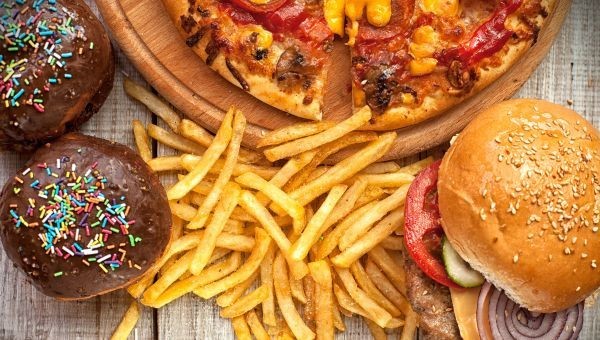
Diet is intimately connected to gut health, and many experts believe eating plans that go heavy on saturated fats, added simple sugars and processed foods—and light on natural fiber—do a number on gastrointestinal flora. For example, several studies on both humans and mice suggest that high-fat diets, particularly those high in saturated fats, may alter the microbiome to promote inflammation.

Though no single eating plan has been proven best for your gut, it’s generally agreed that a balanced, fiber-rich, plant-heavy diet benefits your whole body—including, likely, your microbiome. So, shoot for a wide range of colorful produce, whole grains, legumes, and lean proteins. Include a moderate amount of good fats, like those found in walnuts and oily fish. Among other health benefits, it’s thought that the omega-3 fatty acids in these foods can promote the production of anti-inflammatory compounds and help maintain healthy intestines.

Remember, too, that fresh and minimally processed foods are better for you than highly processed ones and can help you maintain your weight and keep your body’s organ systems in good shape.
Losing Belly Fat Should be Priority Number 1

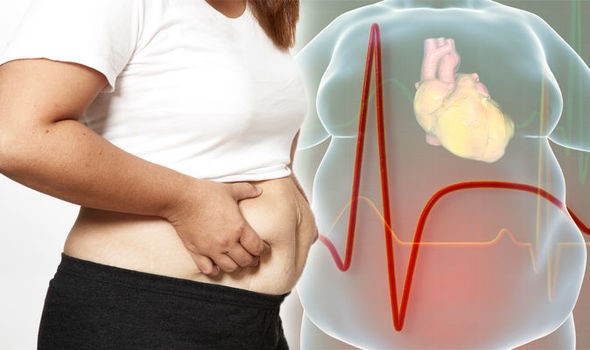
Belly fat, scientifically known as visceral fat, has been linked to increased inflammation and problems like Type 2 diabetes. Recent research, published in the Journal of the American Heart Association, shows having excess belly fat is correlated with an elevated risk of heart disease. What’s more, it may be especially dangerous for women.
 

Here’s what you need to know about the importance of the waist-to-hip ratio:

WHY WAIST-TO-HIP RATIO MATTERS

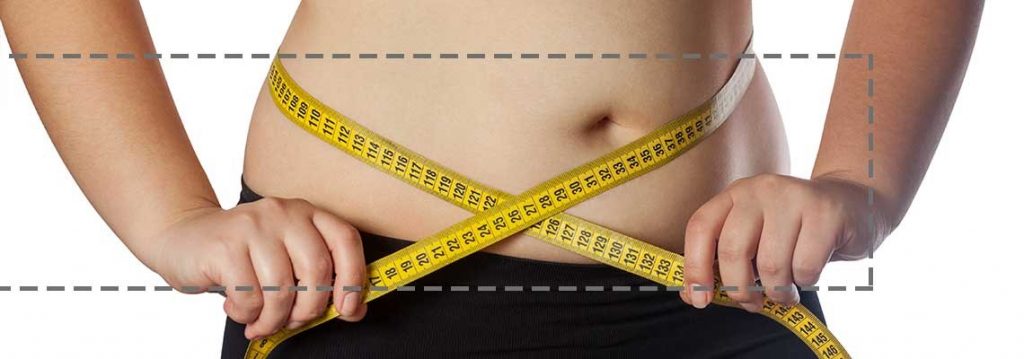
Researchers followed more than 500,000 participants between the ages of 40–69 and found the incidence of heart attack was associated with body mass index (BMI), waist circumference, waist-to-hip ratio and waist-to-height ratios.

The greater the waist-to-hip ratio (calculated as waist circumference divided by hip circumference), the higher the heart attack risk in women. In women, each 0.09 increase in the calculation was associated with a 50% increase in heart attack risk; the risk rose 36% in men with the same increase in waist-to-hip ratio. For men, a waist circumference over 40 inches poses the greatest risk, compared to 35 inches for women. Findings show looking at how fat tissue is distributed in the body — especially in women — can give more insight into the risk of heart attack than measures of general obesity.

Obesity is a risk factor for heart disease but even those who maintain a BMI in the normal range are at risk if they have excess visceral fat.

The fat in the abdominal cavity is associated with increased risk of high blood sugar, inflammation, elevated triglycerides and lower levels of HDL “good” cholesterol, making it more dangerous than fat stored elsewhere in the body. Thus, in two people with the same BMI, the person who has more of an apple shape and stores fat in their abdomen is at higher risk of heart disease than the one who stores their fat elsewhere. What’s more, research published in the Journal of the American College of Cardiology looked at CT scans of abdominal fat and found each additional pound of fat gained during the 6-year study was linked to new diagnoses of high blood pressure, high cholesterol and heart disease risk.

THE BOTTOM LINE

Losing weight can help reduce the likelihood of developing heart disease and improve blood glucose, blood pressure and cholesterol. Luckily, visceral fat is the easiest to lose and our NewLife Fat Loss Program combined with a simple walking routine can help blast that belly fat. Also remember, if you can lose some inches around your waist, even if the number on the scale doesn’t change much, you are still benefiting your heart.

Are There Certain Foods That Reduce Belly Fat?

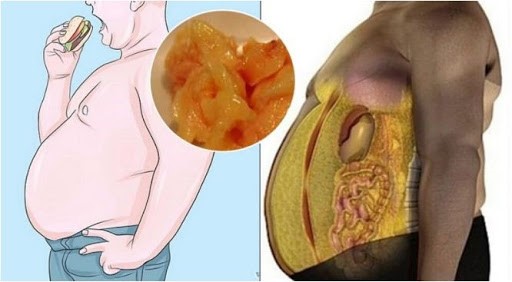
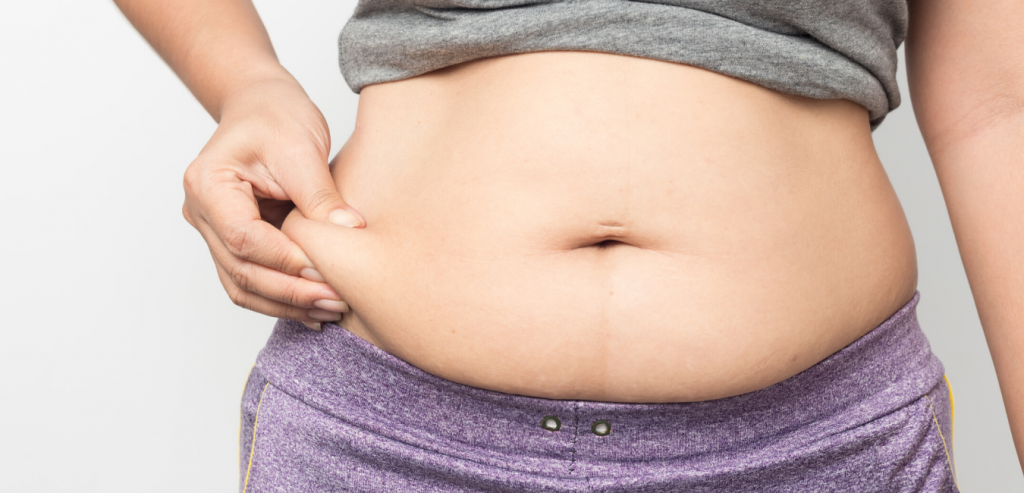
For most people, about 90% of total body fat is subcutaneous — the kind that is soft, pinchable and sits right underneath the skin. The remaining 10–15% is called intra-abdominal or visceral fat. It’s often referred to as belly fat since it lives in your abdominal area and surrounds your vital organs.

Visceral fat is one of the most dangerous types of fat because it generates adipose hormones and adipokines, chemical troublemakers that not only surround your organs but also cause inflammation, leading to problems like heart disease and Type 2 diabetes.

The good news is visceral fat is one of the easiest types of fat to lose via regular movement and a healthy well-balanced diet. In addition to cutting back on added sugar (which is linked to weight gain and other health problems), consider adding these belly fat-fighting foods to your plate.

CHECK OUT OUR WEIGHT LOSS SPECIAL AT THE END OF THIS HEALTH TIP!

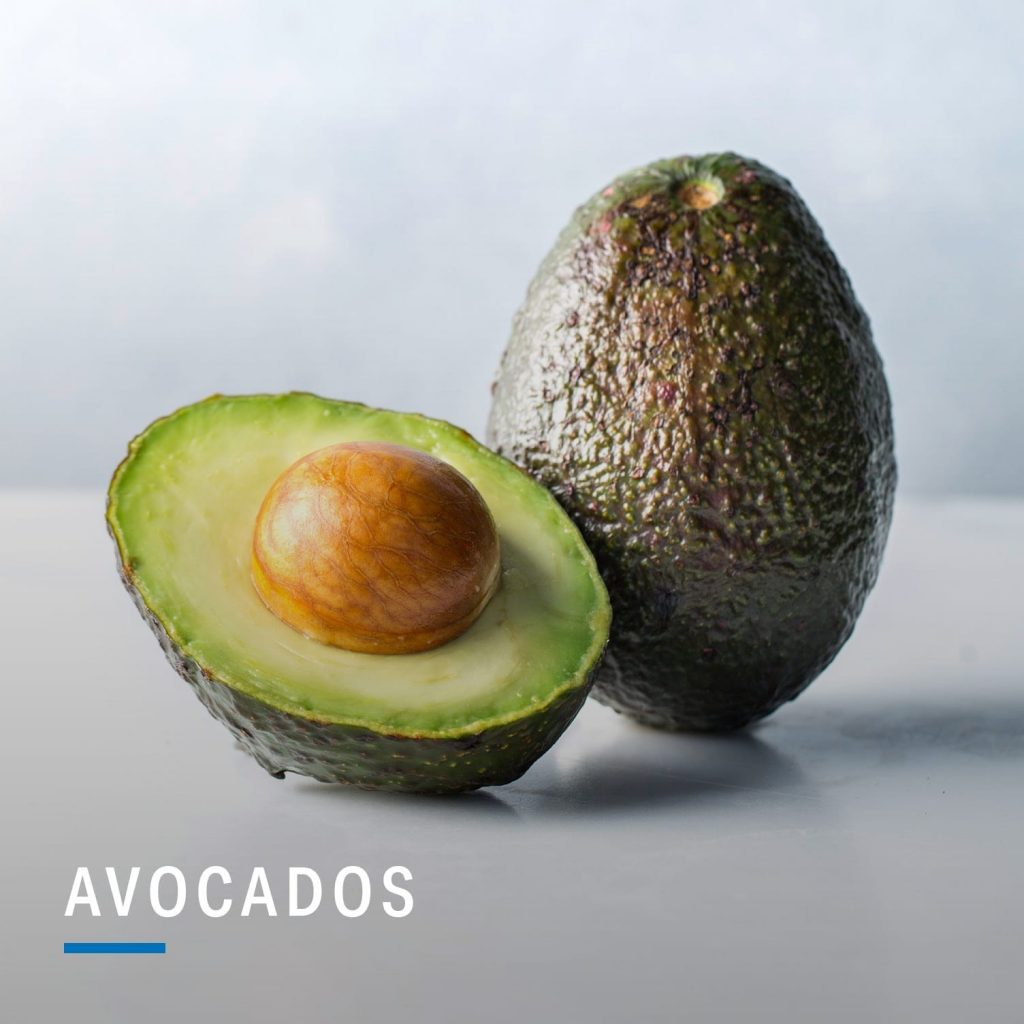
Avocados are a nutrient-dense fruit containing 5 grams of satiating fiber and 7 grams of heart-healthy monosaturated fats per half-cup. Filling up on avocado toast for breakfast won’t cause your blood sugar and insulin levels to spike like many other sugar-laden breakfast foods. Elevated insulin is one of the leading causes (over time) of belly fat accumulation. Avocados are rich in antioxidants, which have anti-inflammatory effects that help protect against belly fat, too.

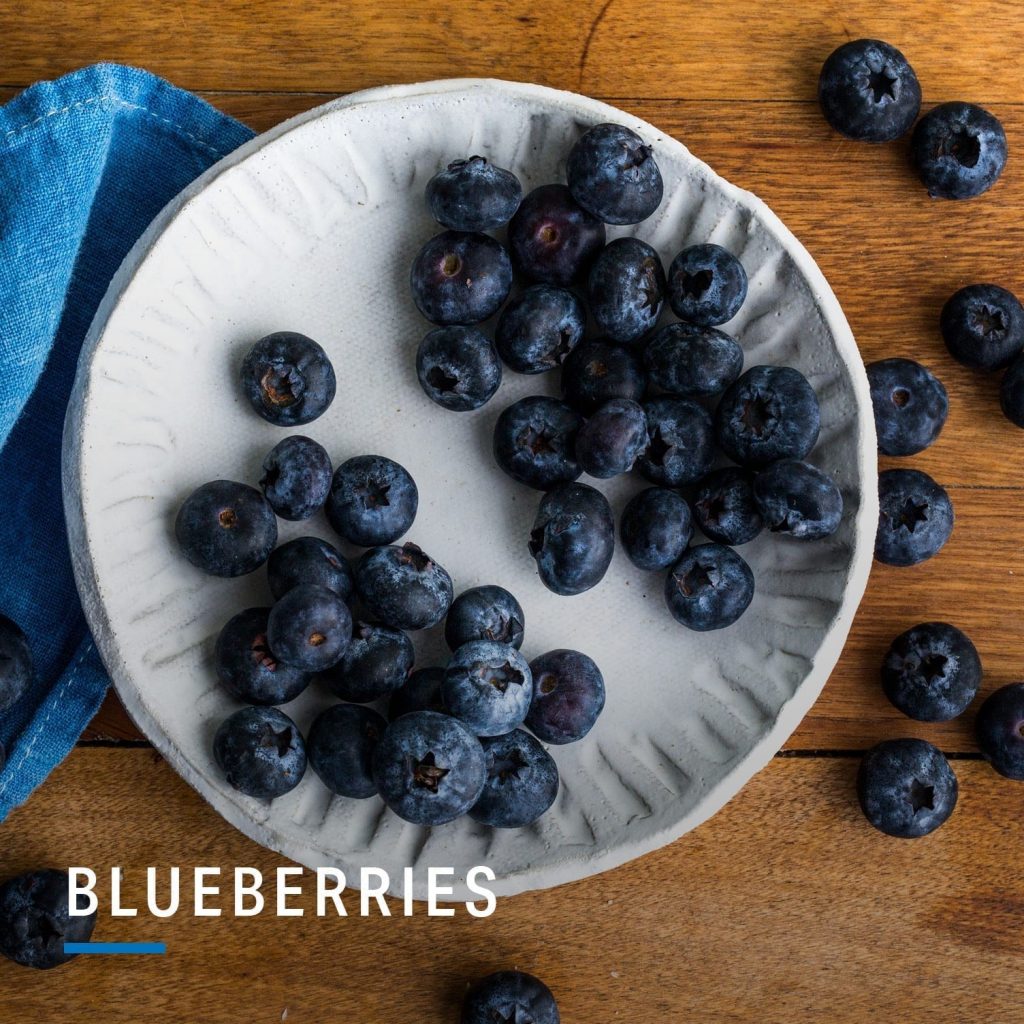
With only 85 calories per cup, blueberries are one of the most concentrated sources of anthocyanins, which may help to lower inflammation, improve glucose and insulin resistance — all of which have a direct effect on belly fat. Buy them fresh or frozen and sprinkle on oatmeal, yogurt, salads or enjoy by themselves as a snack.

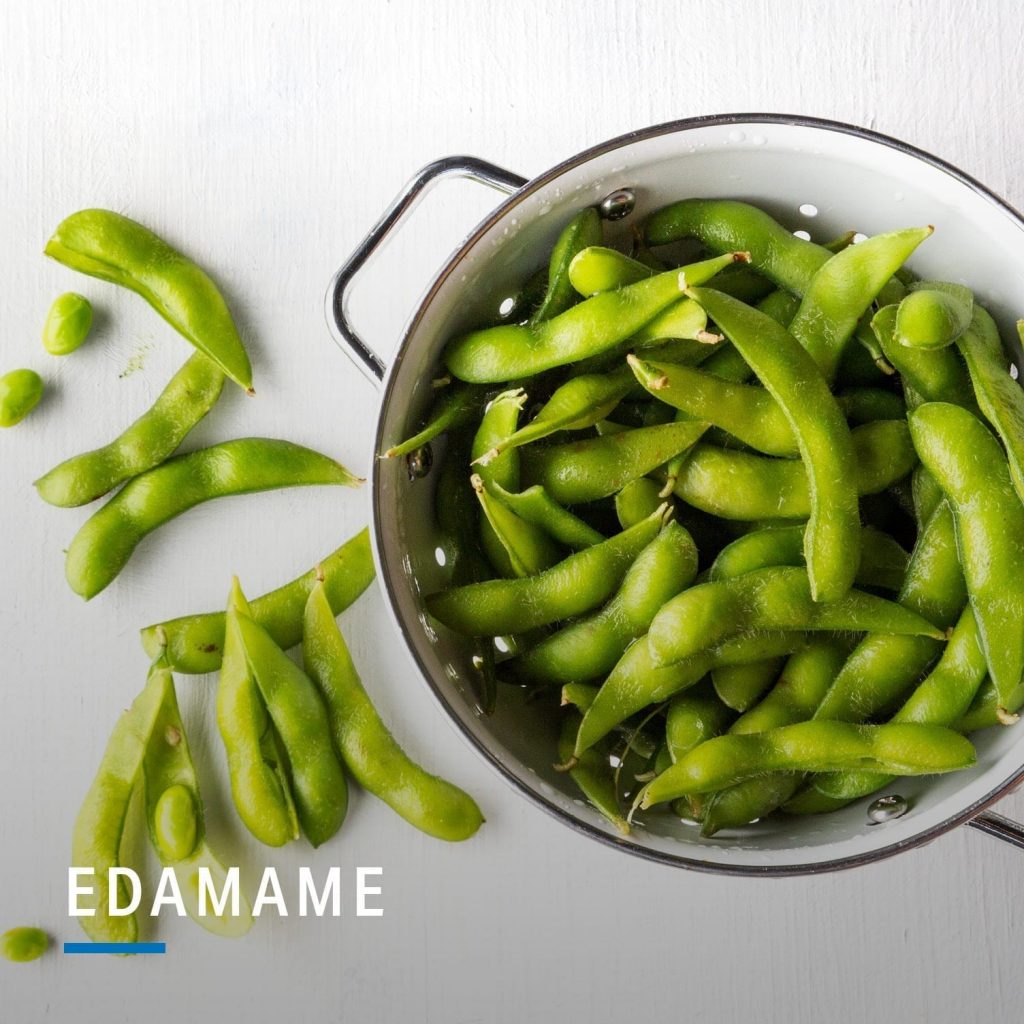
Edamame and other legumes (such as black beans, lentils and chickpeas) are high in soluble fiber and resistant starch, a prebiotic that feeds healthy gut bacteria called probiotics. Once fueled, probiotics produce fatty acids that create a resilient lining on the gut, keeping foreign, inflammatory-stimulating particles from getting into the bloodstream. Resistant starches also play an important role in weight loss by boosting satiety and improving insulin sensitivity. Edamame is fast and easy to cook; just boil frozen pods for 3–5 minutes, drain and enjoy.

Eggs are high in quality protein (6 grams per egg), low in calories (78 calories per egg) and come packaged in perfect single portions. Protein promotes fullness and satiety and requires more energy to digest than carbs and fat, doesn’t cause blood sugar to spike (leading to an unwanted insulin response) and it promotes muscle growth and repair — all positive things that help you lose weight and reduce abdominal fat.

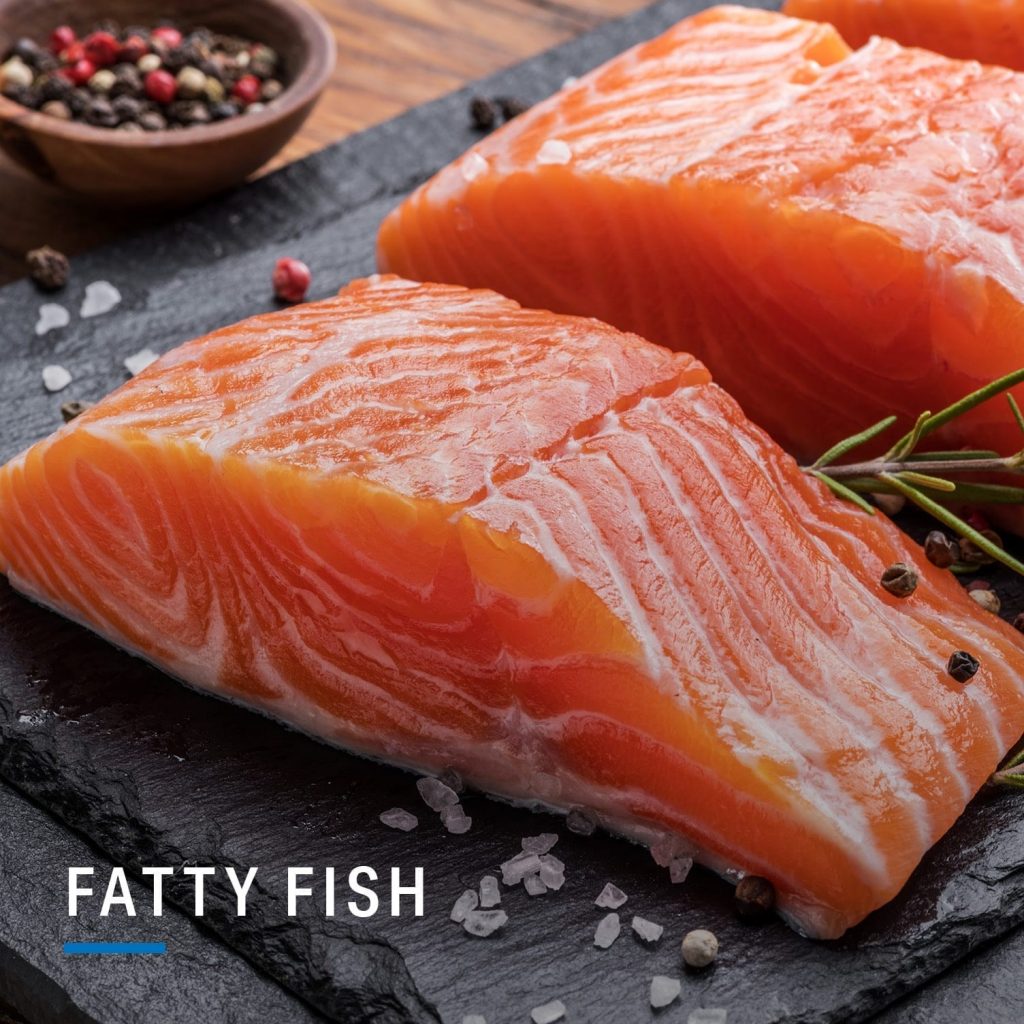
Omega-3 rich fatty fish like salmon help increase adiponectin levels in the blood, a hormone that has significant anti-inflammatory properties and helps lower inflammation by regulating glucose levels in the bloodstream. Salmon is rich in both EPA and DHA, the two active forms of omega-3’s. Other fatty fish, such as sardines, have also been linked to weight loss.

Building a healthy gut has numerous health benefits, including better digestion, improved mental health, protection against cancer and even weight loss. The makeup of our gut bacteria is extremely unique and plays a role in the production of hormones that regulate appetite and insulin sensitivity. Fuel your body with probiotic-rich fermented foods like kombucha, kimchi, fresh sauerkraut, plain kefir or Greek yogurt to promote better gut health, up potential weight loss, reduce inflammation and regulate appetite, which all affect the accumulation of belly fat.

It’s possible the catechins in green tea (those potent antioxidants associated with the popular beverage) might positively alter the gut microbiome, and inhibit carbohydrate digestion and absorption. A study in the Journal of Nutrition found, when combined with exercise, green tea drinkers had 7% less body fat over 12 weeks than non-tea drinkers. Catechins also help reduce inflammation and protect your body from free radicals that cause damage to healthy cells.

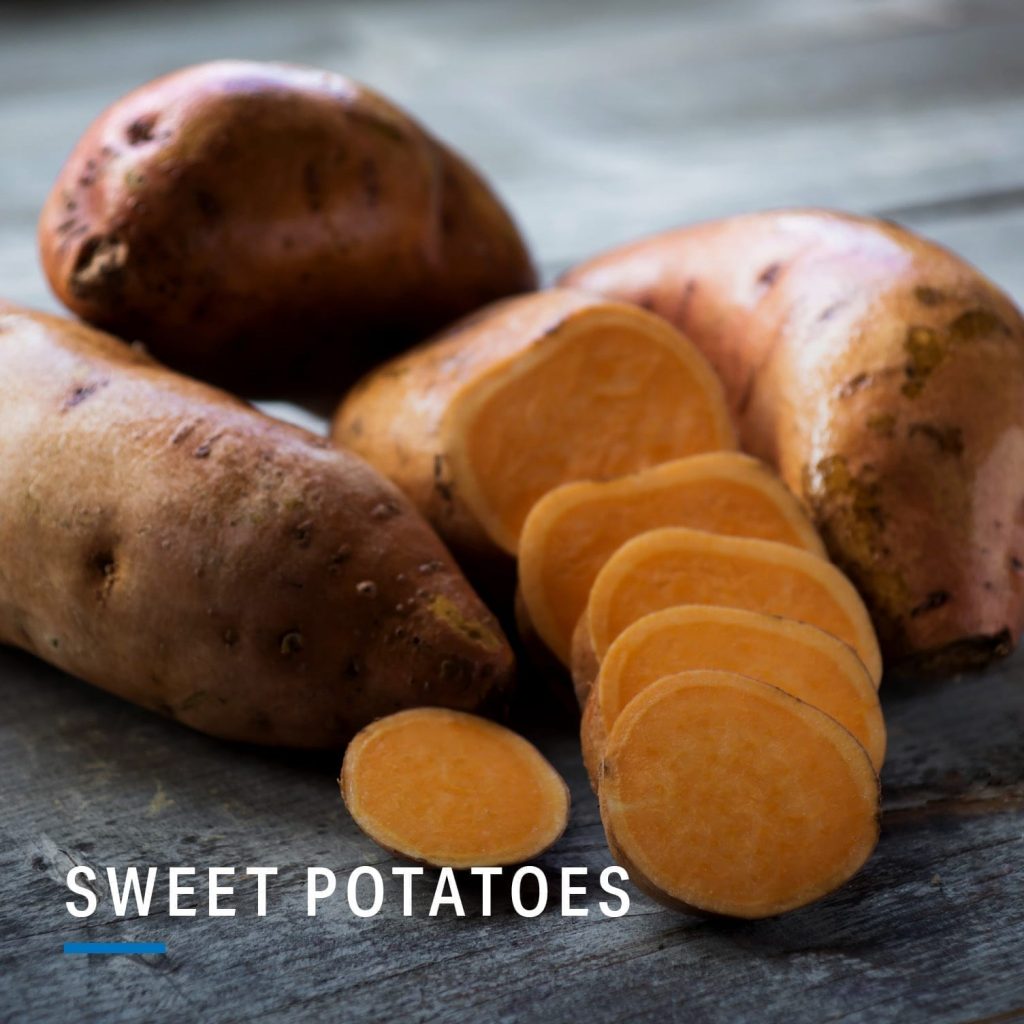
Sweet potatoes top the leader board when it comes to carotenoid concentration. Carotenoids are a class of brightly colored red-, orange- and yellow-pigmented antioxidants, which have an inverse correlation with total body fat content, according to a recent study published in the Journal of Nutrition. Sweet potatoes are also a source of prebiotic-rich resistant starch (see above).

THE BOTTOM LINE

Losing belly fat should be a priority, as it carries a greater risk of heart disease and other health problems like high blood pressure and inflammation. In addition to moving your body regularly, it’s important to focus on consuming primarily nutrient-dense whole foods and cutting back on high-sugar processed ones. Incorporating anti-inflammatory foods like blueberries, quality proteins (eggs and edamame), healthy fats from avocados and fatty fish, along with gut-friendly foods (kimchi, green tea) and resistant starches, such as sweet potatoes, can help you lose weight and shed belly fat.