

Too much salt in your food can lead to health issues. Salt, or scientifically, sodium, is a crucial ingredient in any cuisine. It comes in a number of forms, colors, and particles according to the region where it comes from and the purpose of use. Due to its constituents, salt is also used to preserve food. In addition to seasoning food and making it delicious, salt has many other benefits on your health, such as preventing hyponatremia, ensuring a healthy pregnancy, maintaining dental hygiene, relieving muscle cramps, etc. However, a diet rich in salt may be harmful.
This is what might happen if you consume big amounts of salt.
Salt Can Cause Kidney Disease
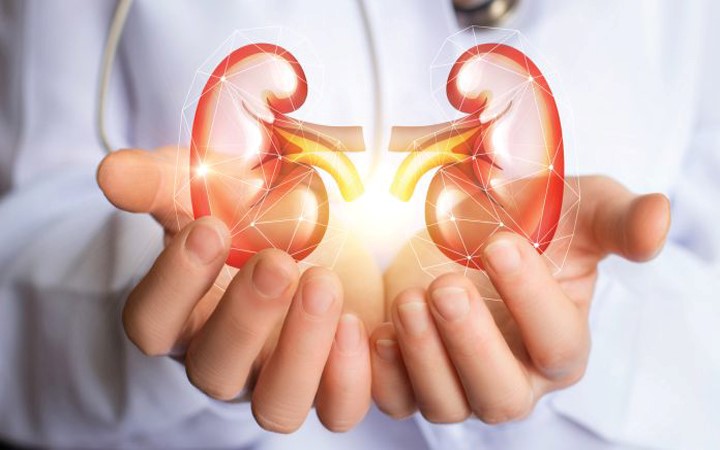
It has been proven that salt helps you keep your body hydrated. How so? Consuming salt helps retain the water in the body, which keeps it hydrated, but is too much hydration good for you? Absolutely not! Having too much water in your body means that your kidneys have to work harder to filter all the extra fluids.
In addition, extra water in your bloodstream means over pressurized arteries, which can lead to a strain on the arteries leading to the kidneys, and consequently damage.
You can even experience kidney failure, chronic kidney disease, or sudden death because of that extra pinch of salt you add to your meals.
Salt Can Elevate Your Blood Pressure

As I’ve have mentioned earlier, salt helps retain water in your body. Excessive water in your bloodstream requires harder work from your heart and arteries to be processed. The extra strain on your arteries makes their small muscles stronger and thicker. That is good, right? Not at all! Once your arteries’ muscles are stronger and thicker, the space in your arteries is smaller and narrower, and as we all know, narrow blood vessels are the major cause of high blood pressure.
It is true that this happens over the years, but having narrow vessels increases your risk of having chronic hypertension, a heart attack, and heart disease.
Salt Can Cause Heart Disease

Consuming too much salt in your meals can lead to heart damage through high blood pressure. Initially, this can lead to a reduction in the amount of blood that reaches your heart, leading to angina, which is a severe pain in the chest when you are active.
When you experience this condition, your heart cells stop receiving enough oxygen and nutrients to properly function.
If this condition persists without being treated, then know that you are heading towards a heart attack that might be fatal. When the heart does not get the oxygen it needs to function, the mere result is the death of this organ.
Salt Can Cause Brain Damage

Your high blood pressure caused by consuming high amounts of salt can lead to your brain damage. Similar to the heart damage, consuming too much salt can initially lead to a reduction of the amount of oxygen that reaches your brain. The lack of oxygen in your brain arteries can lead to dementia.
Not only that! The excessive consumption of salt can deactivate the endothelial cells. These are the brain cells involved in all the aspects of your vascular system.
Dysfunction of these cells may lead to many brain-related issues such as cognitive impairment, brain attack, strokes, cerebrovascular disease, etc.
Reduce your consumption of salt if you want to lower the risk of having your brain damaged.
Salt Can Lead to Cancer

A number of studies linked high salt intake to a higher risk of having stomach cancer. This can be the result of the growth of Helicobacter, which is a type of bacteria that can lead to a higher risk of stomach cancer.
In a study conducted at the Faculty of Medicine, University of Porto, Portugal more than 1,000 participants were examined to investigate the effect of a high intake of salt and gastric cancer. The results revealed that there is an association between the high consumption of salt and stomach cancer.
In another review, 268,718 participants with a high salt consumption were examined, and the results revealed that these participants were at 68% higher risk of having stomach cancer than those who moderately consumed salt.
However, bear in mind that these studies examined the correlation between a high salt intake and the risk of having stomach cancer. Up until now, there is no study that examined if stomach cancer can be developed because of salt.
Salt Can Lead to Osteoporosis

Osteoporosis is a bone disease in which your bone density and quality decrease. As your bones become more fragile, they become prone to fracture. This health condition occurs silently and has no symptoms.
Usually, patients who have osteoporosis do not discover this until they get the first fracture. However, in some cases, osteoporosis and bone pain can be associated.
Statistically, 1 in 3 women and 1 in 5 men are prone to osteoporosis. It is estimated that every 3 seconds an osteoporosis fracture occurs, and the risk increases as you age.
The major cause of this bone issue is the lack of calcium. When you consume too much salt, the sodium interacts with calcium and this leads to a low amount of calcium in your bones.
To avoid this health condition, you have to decrease your salt intake and increase your calcium and vitamin D intake. It is undeniable of the various benefits that salt has on your health, but it was my attempt rather to shed light upon the dangers of consuming too much salt. So, try to reduce your salt intake, and keep in mind that salt isn’t just that substance we add to our food. Salt, or sodium, highly resides in processed foods, so avoid these too!