

The American Academy of
Dermatology (AAD) says that sunscreen is safe to use, as “no published studies
show that sunscreen is toxic to humans or hazardous to human health.”1 Case closed, right?
…Well, not so fast.
Although research, and your own personal experience, shows that it can prevent
sunburn and other potential damage to the skin, there is also a dark side to
sunscreen. The problem lies in the ingredients of sunscreen, many of which are
classified as chemicals. These ingredients may be harmful to your health
because anything that is on your skin can enter into your bloodstream.
The Usual Suspects
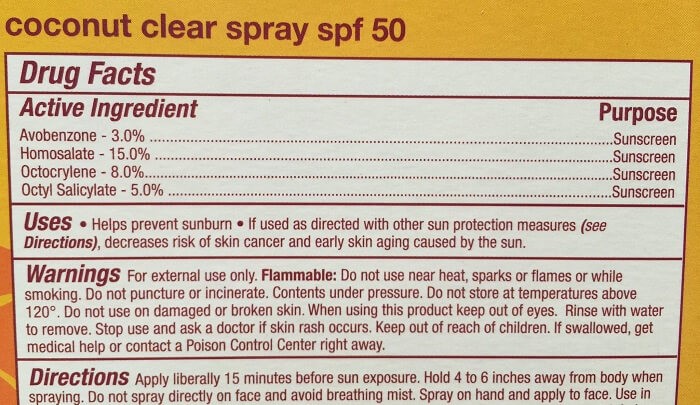
Even though the AAD states that sunscreen is safe to use, they also mention that there are alternatives if you are concerned about certain ingredients. Concerns about chemicals in sunscreen are not unfounded. Here is a quick rundown of some common ingredients in sunscreen that can affect the body negatively.
- Oxybenzone (benzophenone-3) – An organic compound found in many sunscreens, oxybenzone has been observed to disrupt hormone balance. One particular study observed changes in sex hormones and adverse reproduction effects from oxybenzone exposure.
- Octinoxate (octyl methoxycinnamate) – Another troublesome ingredient commonly found in sunscreens, octinoxate, or octyl methoxycinnamate, can also be detrimental to your health. Research shows that like oxybenzone, octinoxate displays hormone-like activity in the body.
- Homosalate – Also a widely used ingredient in sunscreens, homosalate can disrupt the hormones estrogen, progesterone, and androgen. It may also increase the absorption of pesticides.
- Vitamin A – This vitamin is beneficial when taken in proper doses, but too much can lead to toxicity. When on the skin in the presence of sunlight, it may speed up the growth of cancerous tumors.
Unfortunately, exposure to many of these chemicals goes beyond just sunscreen. Oxybenzone, for example, is found in more than 500 other personal care products, including moisturizers, lipsticks, and anti-aging creams.
But Doesn’t Sunscreen Prevent Skin Cancer?

There is evidence that
sunscreen application has a beneficial effect in relation to skin cancer and
photoaging. However, despite a steady increase in sunscreen sales, melanoma
rates have increased significantly in the last few decades. Interestingly,
the introduction of more powerful UV blockers in the 1990s correlates with
increased, not decreased rates of melanoma.
The main purpose of sunscreen is to protect against sunburn. Yet there are
other types of sun damage that increase the risk of skin cancer and speed up
the skin’s aging process. Sunscreen is less effective at combating this type of
damage that includes the formation of free radicals. Even worse, certain
chemicals in sunscreen may promote free radical production. This could be
another reason why skin cancer rates are on the rise.
Another issue is that people tend to think that as long as they apply a
high-SPF sunscreen, they are good to stay out in the sun all day. However,
total sun exposure is significant in relation to skin cancer and skin aging
regardless of whether you put sunscreen on. Everyone should take measures to
limit their exposure to the sun by moving to shaded areas frequently and
wearing protective clothing as much as possible.
On the other end of the spectrum, it’s not a good idea to avoid the sun
altogether. This is because the sun is our best source of vitamin D, which is
an incredibly beneficial vitamin for many body functions.
Zinc and Titanium Oxide Sunscreens a Better Option

It’s been established that
both too much and not enough sun exposure can be harmful. But it’s often not
feasible to get the right amount of sun exposure each day. After all, many of
our favorite activities and sports are enjoyed outside. So, what do we do if we
want to be out in the sun but also don’t want to be exposed to harmful
sunscreen ingredients?
Fortunately, concerns with commonly-used sunscreen ingredients have led the
rise of natural alternatives. With a natural sunscreen, you can get the same
sun-protection benefits, but without the synthetic chemicals that can
potentially disrupt hormones, create free radicals, irritate the skin, and
negatively impact the environment.
It’s important to note that to be classified as “natural,” a sunscreen needs
only to contain zinc oxide and titanium oxide as its active ingredients.
Although these substances are classified as naturally-occurring minerals, they
are also on the list of harmful ingredients due mainly to their carcinogenic
properties when inhaled. Therefore, you should steer clear of spray or powder
forms of sunscreen that contain these ingredients.
Because titanium or zinc oxide sunscreens create a physical barrier to the sun,
they can be more effective at preventing skin aging compared to their chemical
counterparts. As these substances are not absorbed by the skin, your skin
will likely look more opaque or white after application. In other words, don’t
expect that rubbing this type of sunscreen on your skin will remove the white
tint.
Choosing the Best Sunscreen

Titanium and zinc oxide
sunscreens are effective and can be a healthy alternative to traditional
sunscreens. But if you decide to use this type of sunscreen, you’ll want to
take a look at the inactive ingredients to make sure they are not potentially
harmful.
Like natural sunscreens, sunscreen products that are labeled “organic” can be
problematic too. These products only have to contain a certain percentage of
organic ingredients, so some synthetic ingredients may be hiding in these too.
Again, make sure to check the labels and research any ingredients that you
aren’t familiar with.
Some people believe that certain essential oils can be used as an effective
sunscreen. The SPF value of these essential oils, however, is far too low to be
considered an effective sunscreen. Additionally, certain essential oils are
photosensitive, so they can actually be harmful to use in the sun. Stick with
using essential oils for sun-damaged skin and not as a sunscreen.
To sum it up, research shows that chemical-based sunscreens can cause a number
of health issues. When choosing a sunscreen, make sure to follow these
guidelines:
- Make sure it is mineral-based (zinc oxide or zinc & titanium oxide)
- Steer clear of spray-ons or powders
- Avoid toxic ingredients (read the label)
- Look for fewer ingredients overall
- Pass on sunscreens that contain fragrances
- Choose an SPF of 30 or higher
Remember also that it’s not all about the sunscreen. You should also take measures to limit your exposure by covering up and finding shade as much as possible.