
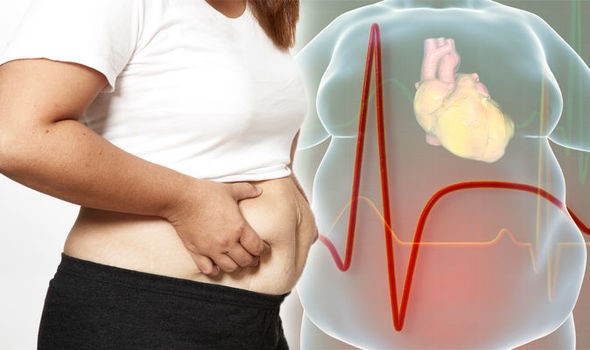
Belly fat, scientifically known as visceral fat, has been linked to increased inflammation and problems like Type 2 diabetes. Recent research, published in the Journal of the American Heart Association, shows having excess belly fat is correlated with an elevated risk of heart disease. What’s more, it may be especially dangerous for women.
Here’s what you need to know about the importance of the waist-to-hip ratio:
WHY WAIST-TO-HIP RATIO MATTERS
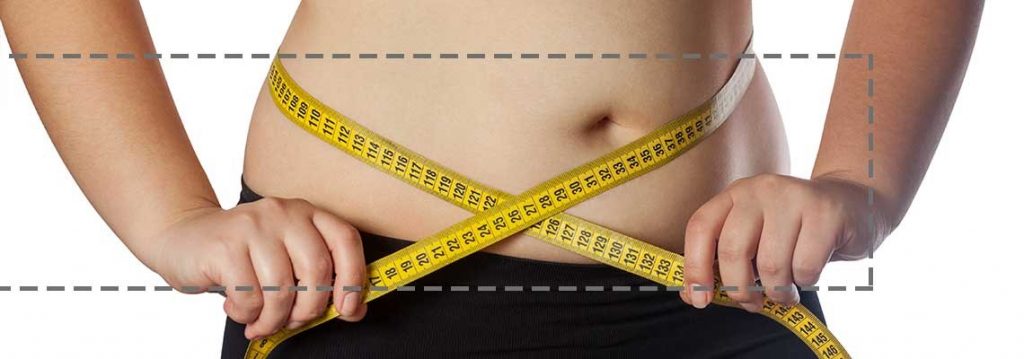
Researchers followed more than 500,000 participants between the ages of 40–69 and found the incidence of heart attack was associated with body mass index (BMI), waist circumference, waist-to-hip ratio and waist-to-height ratios.
The greater the waist-to-hip ratio (calculated as waist circumference divided by hip circumference), the higher the heart attack risk in women. In women, each 0.09 increase in the calculation was associated with a 50% increase in heart attack risk; the risk rose 36% in men with the same increase in waist-to-hip ratio. For men, a waist circumference over 40 inches poses the greatest risk, compared to 35 inches for women. Findings show looking at how fat tissue is distributed in the body — especially in women — can give more insight into the risk of heart attack than measures of general obesity.
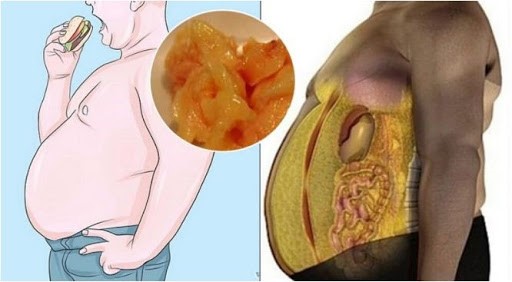
Obesity is a risk factor for heart disease but even those who maintain a BMI in the normal range are at risk if they have excess visceral fat.
The fat in the abdominal cavity is associated with increased risk of high blood sugar, inflammation, elevated triglycerides and lower levels of HDL “good” cholesterol, making it more dangerous than fat stored elsewhere in the body. Thus, in two people with the same BMI, the person who has more of an apple shape and stores fat in their abdomen is at higher risk of heart disease than the one who stores their fat elsewhere. What’s more, research published in the Journal of the American College of Cardiology looked at CT scans of abdominal fat and found each additional pound of fat gained during the 6-year study was linked to new diagnoses of high blood pressure, high cholesterol and heart disease risk.
THE BOTTOM LINE
Losing weight can help reduce the likelihood of developing heart disease and improve blood glucose, blood pressure and cholesterol. Luckily, visceral fat is the easiest to lose and our NewLife Fat Loss Program combined with a simple walking routine can help blast that belly fat. Also remember, if you can lose some inches around your waist, even if the number on the scale doesn’t change much, you are still benefiting your heart.