
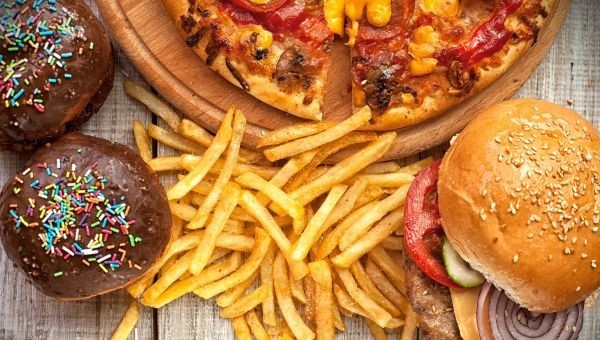
Sure, no one needs the fat and calories in a double cheeseburger with fries. But research suggests it’s not the fat and calories you should fear.
It’s the impact they have on your opioid receptors. Your what? Your opioid receptors.
Animal research suggests that fatty, sugary, high-calorie foods cause weight gain because they stimulate fat-storage genes, which then turns up the inner pound-packing dial. Salad bar, anyone?
Flipping the Fat Switch
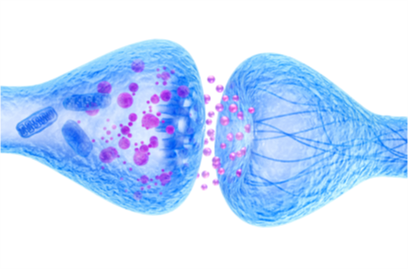
Researchers believe kappa opioid receptors play an important role in fat metabolism and that eating foods high in fat and sugar somehow stimulates these receptors not only to promote weight gain but also to store fat in bad places. In the animal study, an unhealthful diet didn’t just increase body fat. It encouraged fat storage in the liver, too. And it zapped energy levels.
Bottom line: Garbage in means garbage stays — and makes you tired, too!
Investigating Fat Genes
More research is needed to determine if the impact fatty foods have on opioid receptors in animals holds true for our bodies, too. But there are a million other reasons to avoid the local drive-through offerings. Next time you get a craving for something oh-so-bad-for-you, try this munchie makeover instead:
Yogurt

Go for the nonfat plain stuff and forsake flavored yogurts (even fruit-flavored ones, but especially those flavored like cookies and cream, breakfast cereals, and the like; really, you didn’t think they were good for you, did you?) often contain loads of sugar, HFCS, or dyes you just don’t need.
Stir in extra power by adding some nuts (they add healthy fats), wheat germ (it may improve your body’s ability to handle stress), or fresh fruit (blueberries, for instance, may even help protect your brain cells from aging) for texture and flavor without added chemicals.
Get the kind with bugs. We mean the beneficial bacteria called probiotics. These help boost immunity, help soothe irritable guts, and may even help fight flab. Look for labels that say the yogurt contains probiotics or “active cultures.”