

Your feet reveal more than meets the eye. Indeed, this often-overlooked body part can provide important cues about a wide variety of health issues. Here are the telltale signs you should look for:
Dry & Flaky Feet

A dry, cracked and flaky skin around your heel or on the ball of your foot is a warning sign of an underlying thyroid issue. Basically, your thyroid gland secretes hormones that affect your metabolic rate, blood pressure, tissue growth, and nervous system. So, dry foot skin is a warning sign that your thyroid is not functioning properly.
Of course, this can originate from minor issues, like poor foot hygiene and sometimes even as a result of a weather change. But if you have dry foot skin, coupled with symptoms like weight gain, numbness in your hands and vision issues, seek medical help promptly.
Toe Baldness
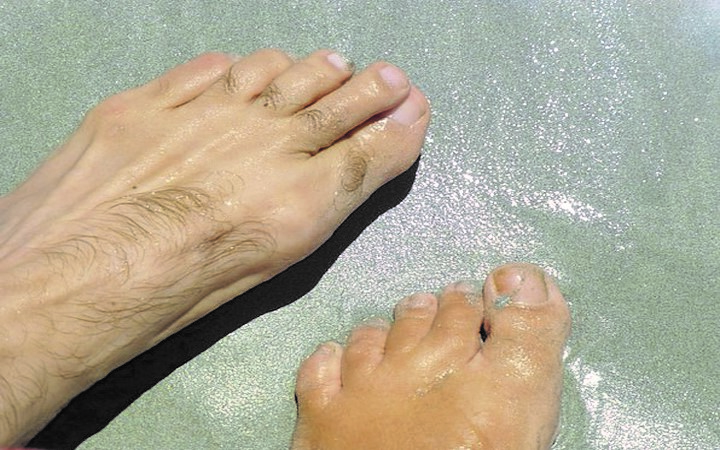
Men and women alike have toe hair of different pilosity. If you notice that your toe hair is falling and your toes are balding, a poor blood circulation may be at fault.
Actually, PAD, or peripheral arterial disease, is the most common cause of improper blood flow to the feet. When plaque accumulates in the arteries of your legs, blood circulation reduces and PAD occurs. This disease can result in a heart attack or stroke, or even increase the risk of amputation, if left untreated.
If this is the case, you should see a doctor urgently. Smoking cessation, a healthy diet program, regular physical activity, and management of other health conditions, like hypertension and diabetes, can reduce the symptoms.
Foot Numbness

Akin to toe baldness, insufficient blood flow to the feet causes foot numbness and signals PAD. Sure, everybody has experienced numbness in the feet after sitting in a particular position for a long period of time or falling asleep in an awkward position. But if this occurs regularly, it’s a reason to sound the alarm.
Moreover, this is one of the most common symptoms of peripheral neuropathy, associated with type 2 diabetes. That’s because diabetes restricts blood flow to your foot, which explains why wounds and cuts take longer to heal, and infection is likely to occur.
If your feet feel numb and you have wounds that don’t seem to heal, consult your doctor. Regular physical activity and healthy diet plan can promote blood flow and prevent type 2 diabetes.
Toenail Discoloration

Toenail discoloration is not worrisome if you know the reason behind it. For example, if someone accidentally steps on your foot, or you drop something heavy on your foot.
If you haven’t injured your toenails, and you notice discoloration – mainly black or brown lines – you should see a doctor. Dark, vertical lines under your toenails could be a warning sign of melanoma, a dangerous type of skin cancer.
A fungal infection could cause toenail discoloration as well. Of course, this is not as serious as a skin cancer diagnosis, but you should definitely not ignore it. Always check your toenails for discoloration every time you cut them.
Morning Foot Pain

When you get out of bed in the morning and take your first steps, you may feel a burning or shooting pain sensation. Usually, this is an indication of rheumatoid arthritis, which causes joint inflammation and discomfort even in the small joints in your feet.
Luckily, you can manage foot pain and other types of rheumatoid arthritis signs with meds and regular physical activity.
Plantar fasciitis, which stems from an inflammation in the thick band of the tissue that connects the heel to the toes. Cramps, usually caused by dehydration or the lack of nutrients, like calcium, potassium and magnesium, can also be the culprit.
Stretching your feet and doing foot strengthening exercises before you leave your bed can keep these problems at bay.Do you suffer from any of these issues? Let us know if we can help!