
5 Mistakes That Are Keeping You from Getting in Shape

Whether you have been working out for a while or just started, it is highly probable that you are making a few mistakes. These can slow, or even halt your progress. We are confident that some of these might surprise you! Many people who decide to get in shape are often oblivious to these missteps. Most of them harm your body, and some even make you gain weight instead of losing it! If you are determined to reach your fitness goals, you should look into these 5 mistakes and make sure that you and your gym partners avoid them next time you hit the gym.

Optimizing Your Work Out and Nutrition

One of the most common mistakes that could keep you from getting in shape is excess exercise and dieting. This is only natural as most people learn that you should “hit the gym hard” and avoid fat like a plague! Moderation is the key here. For example, it is not beneficial to your body to suffer through long sessions of cardio. Excessive cardiovascular exercise could potentially harm you. Half an hour is more than enough if you are not an athlete.

Cardio can also be harmful if your body is out of fuel. This is why you should think about including healthy fat in your diet. Virgin olive oil and some fatty fish are what you should be looking for to balance your intake.

What You Should Drink

Contrary to popular belief, drinks that contain electrolytes are notorious for the amount of sugar they harbor. They are often advertised as healthy drinks for athletes, which explains why someone might opt to include them in their diet. If you have been consuming these drinks before or after your workouts, you should switch to a healthy, sugar-free substitute.

This might seem absurd to some of you but drinking water during workouts is a key factor in getting in shape. People avoid drinking water to make their workouts more intense, or just because they don’t pay attention to their hydration. This is a grave mistake! You should be hydrated during your workout to avoid causing damage to your body.

The Right Amount of Nutrition

When it comes to nutrition, people often tend to lean toward either overeating or underrating. First of all, you should be fully aware that working out should not be perceived as a doorway to overeating. Research has shown that you burn an average of 500 kcal per training session. You should make sure that your intake is clean, healthy, and does not exceed your daily calorie needs.

This does not mean that you should deprive yourself of nutritious food. People who work out on an empty stomach without supervision might be causing their bodies more harm than good. It is recommended that you eat a healthy meal an hour and a half to two hours before your workout session.

Post-workout Shower and Sauna

Jumping into the shower or sauna shortly after an intense workout session can cause you to feel uneasy, or even faint! This is why it is highly recommended that you give your body the necessary time to cool down before you take a shower or go to the sauna. Your body loses a substantial amount of fluids during your training. It is best if you take some time to hydrate and rest before exposing it to heat.

Another important thing you should add to your post-workout routine is stretching! This could help you avoid muscle pain in the morning after. Make sure that you take some time to stretch your muscles and think about getting a massage now and then if possible.

Do Not Overdo it!

Your workout schedule does not need to be as intense as you think. Many fitness and nutrition experts recommend that you take rest days between intense training sessions. This allows your muscles to heal and benefit from the workout. Surprisingly, working out excessively can lead to weight gain! This is due to an increase in the level of a specific hormone in your body known as Cortisol. If you think that you are depriving yourself of rest days, we urge you to reconsider your schedule and make sure that you are getting enough sleep. This can make a crucial difference in whether you reach your fitness goal and get your dream shape.
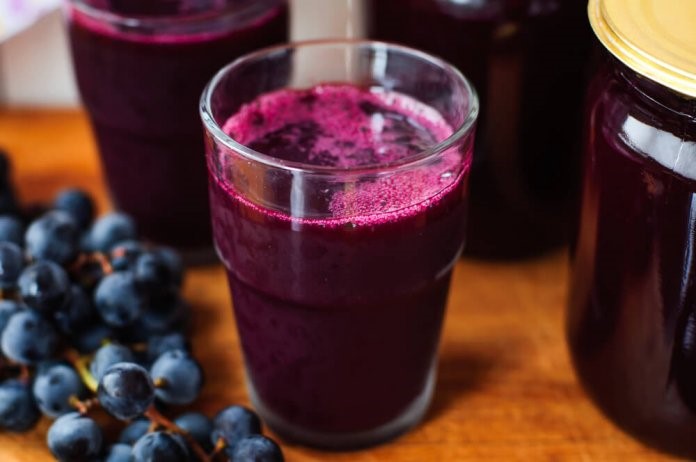
The Juice That Drops Blood Pressure

Cutting back on salt and hitting the gym are fine ways to drop your blood pressure (BP). But here’s another: Drink grape juice.

When hypertensive men in an 8-week study drank a couple of servings of Concord grape juice each day, they enjoyed a significant drop in their blood pressure compared with the placebo-sipping group. Now that’s something to make your heart sing!

Get Juiced!

The study participants drank two 16-ounce servings of the juice daily. But keep in mind that grape juice calories will add up, so don’t drink too much without kicking out another calorie source.

Researchers applaud the polyphenols in both grape juice and purple grapes for the blood-pressure-lowering benefit. It’s thought that these compounds trigger the production of nitric oxide, a chemical that dilates blood vessels, which in turn helps lower the pressure inside them.

Do More to Drop It

The polyphenols in grapes, grape juice, and red wine may quell inflammation and hinder platelet production as well — two additional good-for-your-heart benefits. But to really make a significant ding in your BP, you need to adopt some sturdier pressure-easing habits other than sipping grapes:

  1. Ease up on the salt.
  2. Think thin.  If you are overweight or obese, your blood pressure is likely to creep up.
  3. Keep it friendly.  Nurturing friendships can do wonders for your blood pressure.
  4. Walk it out. A foot-minded lifestyle is great for your heart and your arteries.

This Offer Expires September 30, 2019

A Walk Outdoors Can Improve Your Vision

In 1967 when Hair opened at the Public Theater in New York, no one thought Let the Sunshine In would become a world-wide chart-topper (sung by the 5th Dimension). And certainly no one imagined that song could be the Rx for nearsightedness (myopia). But it turns out kids 14 to 19 and adults 20 to 39 who put down the books, walk away from the computer and TV, and let the sunshine in –their eyes—are far less likely to become nearsighted. And those with the highest blood levels of lutein, a carotenoid you get from green leafy vegetables and from outdoor time, are the most protected.   

The research, published in JAMA Ophthalmology, found getting outdoors was key to preventing myopia. We’re not sure if it’s because of exposure to sunshine (UVB rays) or because you often look at far distances when you’re outside. We do know, however, that lutein is deposited in high quantities in the retina, which contains the macula. And that nutrient, along with the antioxidant zeaxanthin, plus DHA-omega-3 also offers protection from age-related macular degeneration. That’s a double advantage. So, we recommend at least 90 minutes of physical activity daily for high schoolers, as much outside as possible. It not only benefits their eyes, it fights obesity, builds self-confidence and helps them regulate emotions. Adults—aim for 10,000 steps a day (again, outside if possible!) or equivalent. And everyone should enjoy multiple servings daily of lutein-rich greens such as kale, spinach, collards and/or watercress, and touch of basil!

Surprising Things Your Feet Say About Your Health

Your feet reveal more than meets the eye. Indeed, this often-overlooked body part can provide important cues about a wide variety of health issues. Here are the telltale signs you should look for:

Dry & Flaky Feet

A dry, cracked and flaky skin around your heel or on the ball of your foot is a warning sign of an underlying thyroid issue. Basically, your thyroid gland secretes hormones that affect your metabolic rate, blood pressure, tissue growth, and nervous system. So, dry foot skin is a warning sign that your thyroid is not functioning properly.

Of course, this can originate from minor issues, like poor foot hygiene and sometimes even as a result of a weather change. But if you have dry foot skin, coupled with symptoms like weight gain, numbness in your hands and vision issues, seek medical help promptly.

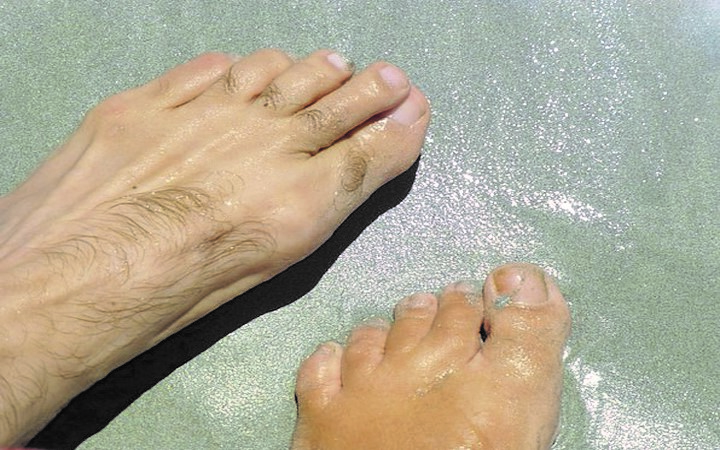
Toe Baldness

Men and women alike have toe hair of different pilosity. If you notice that your toe hair is falling and your toes are balding, a poor blood circulation may be at fault.

Actually, PAD, or peripheral arterial disease, is the most common cause of improper blood flow to the feet. When plaque accumulates in the arteries of your legs, blood circulation reduces and PAD occurs. This disease can result in a heart attack or stroke, or even increase the risk of amputation, if left untreated.

If this is the case, you should see a doctor urgently. Smoking cessation, a healthy diet program, regular physical activity, and management of other health conditions, like hypertension and diabetes, can reduce the symptoms.

Foot Numbness

Akin to toe baldness, insufficient blood flow to the feet causes foot numbness and signals PAD. Sure, everybody has experienced numbness in the feet after sitting in a particular position for a long period of time or falling asleep in an awkward position. But if this occurs regularly, it’s a reason to sound the alarm.

Moreover, this is one of the most common symptoms of peripheral neuropathy, associated with type 2 diabetes. That’s because diabetes restricts blood flow to your foot, which explains why wounds and cuts take longer to heal, and infection is likely to occur.

If your feet feel numb and you have wounds that don’t seem to heal, consult your doctor. Regular physical activity and healthy diet plan can promote blood flow and prevent type 2 diabetes.

Toenail Discoloration

Toenail discoloration is not worrisome if you know the reason behind it. For example, if someone accidentally steps on your foot, or you drop something heavy on your foot.

If you haven’t injured your toenails, and you notice discoloration – mainly black or brown lines – you should see a doctor. Dark, vertical lines under your toenails could be a warning sign of melanoma, a dangerous type of skin cancer.

A fungal infection could cause toenail discoloration as well. Of course, this is not as serious as a skin cancer diagnosis, but you should definitely not ignore it. Always check your toenails for discoloration every time you cut them.

Morning Foot Pain

When you get out of bed in the morning and take your first steps, you may feel a burning or shooting pain sensation. Usually, this is an indication of rheumatoid arthritis, which causes joint inflammation and discomfort even in the small joints in your feet.

Luckily, you can manage foot pain and other types of rheumatoid arthritis signs with meds and regular physical activity.

Plantar fasciitis, which stems from an inflammation in the thick band of the tissue that connects the heel to the toes. Cramps, usually caused by dehydration or the lack of nutrients, like calcium, potassium and magnesium, can also be the culprit.

Stretching your feet and doing foot strengthening exercises before you leave your bed can keep these problems at bay.Do you suffer from any of these issues? Let us know if we can help!

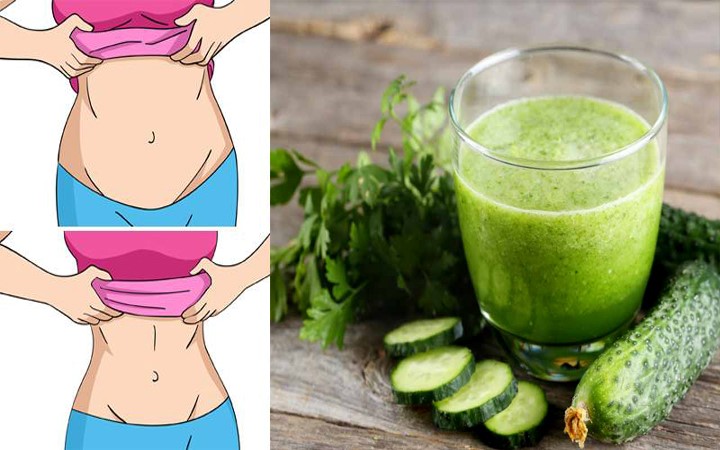
This Wonder Juice Can Help You Burn Belly Fat at Bedtime

If you struggle with stubborn belly fat, even if you follow a healthy diet plan and practice sports regularly, this article is for you!

Shedding extra pounds seems like a daunting task, especially if you have an unattractive paunch that does not seem to vanish. But did you know that you could remove belly fat while sleeping? Here’s how!

The Magic Combo: Cucumber and Parsley

This delicious green juice can help you reach your weight loss targets in a short period of time, if consumed regularly. Besides, it can relieve bloating and other stomach issues.

Apart from helping with rapid weight loss, these healthy components offer several benefits that improve your general wellness.

Cucumber is a low-cal veggie that’s rich in water and fiber. One cucumber contains no more than 45 calories. Moreover, it helps burn the extra calories, by boosting the digestion process. On the other hand, parsley is famous for its mild diuretic virtues, as well as its high mineral and vitamin content. It does not only add a tasty flavor to your dishes, salads and pastas, but also reduces water retention and prevents fat accumulation in the body.

How to Prepare Cucumber and Parsley Juice:

To prepare this wonder juice, you will need:

One diced cucumber
Some parsley
½ teaspoon of grated ginger
One teaspoon of lemon juice.

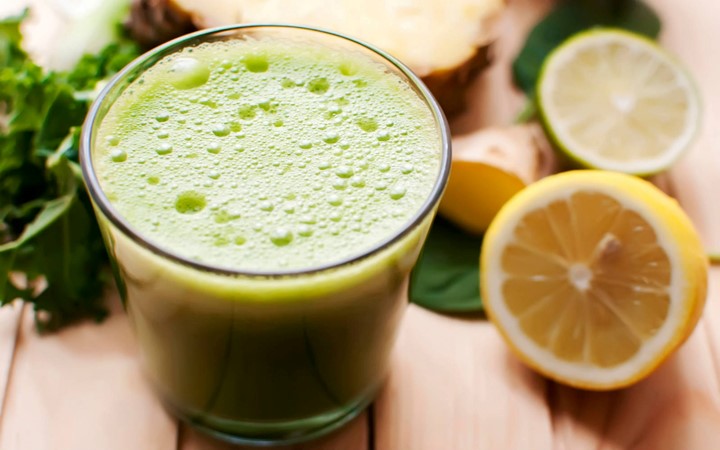
Mix all these ingredients and blend until smooth. To reap maximum benefits, consume every day at least one hour prior to your bedtime. The daily consumption of this juice will allow you to enjoy a refreshing taste, while achieving your fitness goals. Plus, this miraculous juice will boost your digestive system and break down food faster while you drift away into slumber land.

Remember that the body metabolism is slowest at night. So, avoid eating heavy meals to prevent bloating, upset tummy and other digestive problems.

Have you ever tried this juice? If not, what are you waiting for?

Try These Foods to Improve Your Health as You Grow Older

As we grow older, our bodies undergo many changes, including the death of many cells, and the formation of others. These changes are inevitable as our bodies start to age. The foods we used to tolerate once become too intense for our body systems and metabolisms. There are foods that we have to cut down on, and others that we should start consuming in order to boost our energy levels and have the power to perform daily activities.

In this article, you will discover seven of the foods that are beneficial for your health at any age but are more beneficial if you are over 50 years old.

Beans

We are all prone to health issues related to blood sugar and cholesterol levels as we get older. Adding beans to your diet would prevent you from having such issues. Beans are known for their very rich nutrients such as protein, folate, antioxidants, zinc, iron, fiber, magnesium, etc. Adding ¾ cup of beans or lentils to your daily intake of foods can help you lower your blood sugar level, reduce the amount of bad cholesterol (LDL), and get rid of fatigue and weakness. The best form of beans you can opt for is beans that are dried. Canned beans, and legumes in general, are usually laden with sodium and other chemicals that would have serious negative effects on your health.

Oats

Again, as we grow older, our hearts tend to weaken. So, to avoid any issues, and to improve your heart function, you should eat some specific foods, including oats. Oats can be considered as good foods to lower the risk of having any heart disease. They are rich in what is called beta glucan. It is a soluble fiber that binds with cholesterol in your digestive system so that it can be released by your body, instead of remaining in your arteries. Studies showed that consuming 3 grams of oats each day can help you lower the cholesterol level by up to 10%. So, consider adding oats to your breakfast.

Apples

Who doesn’t know about the saying “an apple a day keeps the doctor away.” The myth has been found to be correct. Apples contain various nutrients such as fiber, calories, carbs, vitamin C, potassium, vitamin K, in addition to manganese, copper, vitamin A, E and B vitamins (1, B2 and B6). All these nutrients can help you improve your overall health.

First, apples contain polyphenols which function as antioxidants that fight the free radicals causing cancer. So, apples can protect you against cancer. Also, apples contain flavonoid epicatechin that was proven to help lower the blood pressure. This being said, consuming an apple a day would certainly keep the doctor away!

Nuts

It is very common to have cravings for a salty food from time to time. However, instead of opting for chips or crackers loaded with sodium, you can opt for nuts. They are healthy and delicious! In addition to their good taste, the various types of nuts are high in nutrients. They can be considered as a source of protein, fats, carbs, fibers, vitamin E, and magnesium. A review of five studies reported that consuming a serving of mixed nuts can improve your cholesterol, help you lose weight, as well as reduce the risk of having a heart disease. Another studies found that the consumption of an ounce of mixed nuts every day can help you lower the risk of having a heart attack or stroke by 28%. You can eat nuts on their own or add them to your salads.

Leafy Greens

Leafy greens are one of the most concentrated sources of nutrients in nature. They are very high in vitamins such as vitamin B, E, K, and C, and minerals such as calcium, iron, and magnesium. Not only do they improve your heart function and prevent you from having cardiovascular diseases, but they help your brain function as well. Recent studies have shown that you can be as cognitively able as a person who is 11 years younger than you if you consume leafy greens.

Additionally, leafy greens are considered as great sources of calcium as well, which will help you improve and strengthen your bones.
The next time you crave for fresh food, let it be a green leaf salad!

Berries

Berries, with all their types, are among the healthiest foods that you can eat. They contain many important nutrients such as antioxidants, fibers, vitamin C, vitamin K, copper, and folate. Antioxidants, as we have mentioned before can help you fight the free radicals in your body, and reduce inflammations causing heart diseases, and even cancer. Moreover, berries can help you reduce your blood sugar levels by controlling glucose levels. Not only that! Consuming berries can help you improve your brain function and reduce your risk of developing Alzheimer’s disease. You can get your berries intake in the form of a smoothie, but make sure to reduce your sugar intake.

Avocados

Avocados are highly beneficial for your health as they contain about 20 different types of vitamins and minerals, including vitamin K, folate, vitamin C, potassium, vitamin B5, vitamin B6, vitamin E, etc. If you are looking for a rich source of potassium then grab an avocado, as it contains more potassium than a banana. High potassium intake is linked to low blood pressure, so as a consequence, consuming avocados can help you reduce the risk of having heart attacks, strokes, or kidney failure.

Also, because they are loaded with fibers, avocados can help you lower the LDL cholesterol level by up to 22%.

You can consume avocados in juices, smoothies, or salads. 
Many of the foods we have mentioned can be combined to form amazing salads for a nutritious breakfast, a healthy dessert, or even a light evening snack.

Feel free to combine any foods in order to enjoy a healthy, yet delicious meal. Just make sure you don’t add much sugar as it may increase your risk of developing type 2 diabetes.

Frozen Lemons Can Do Wonders for Your Health

Lemons are laden with amazing benefits that improve your health and wellness. Interestingly, the virtues of this yellow fruit increase tenfold when it is frozen solid.

Benefits of Frozen Lemons:

Thanks to its high antioxidant and vitamin content, this fruit is highly beneficial for your entire body. So, don’t hesitate to eat the rind and peel as well. Actually, freezing the lemon enables you to consume the entire lemon, including the bitter outer skin, which is the most important part of the fruit.

On top of that, research suggests that lemons have the ability to lower the risk of cancer and can serve as a supplement to cancer patients who are under treatment. This can be traced back to the active compounds in lemons and other citrus fruits, called limonoids, which can inhibit the development of breast cancer cells (ER+ and ER-).

These findings highlight the importance of citrus fruits in the prevention of the cancer and support previous studies which revealed that the regular consumption of these fruits may reduce the chances of developing breast cancer.

Based on 20 laboratory tests, researchers came to the conclusion that lemon extracts are found to destroy malignant cells that increase the risk of cancer Indeed, lemon destroyed harmful cells in 12 types of cancers, such as colon, breast, prostate, lung and pancreas. Unlike chemotherapy, lemon extracts tackled malignant cells only, and did not impact healthy ones.

Other Potential Benefits of Frozen Lemons:

The benefits of this super fruit do not stop here! Lemons contain anti-microbial properties, which help ward off bacterial infections and fungi.

Moreover, this fruit safeguards the human body against internal parasites and worms. Plus, it has the ability to balance your blood pressure and functions as a defender against the stress and nervous disorders you may develop from everyday life routines. The other potential benefits of lemons include, but are not limited to:

  • Detoxifying the liver and kidneys,
  • Keeping asthma at bay
  • Boosting the immune system
  • Lowering the risk of cardiac stroke
  • Combating inflammation

So, go freeze some lemons now to reap all these amazing benefits!

5 Healthy Reasons to Walk Barefoot

Walking barefoot is an ancient earthing technique (also called “grounding”) that confers several health benefits on your physical and mental health. Besides, it’s a good way to reconnect with Mother Earth and take advantage of its countless sources of healing and recovery.

So, removing your shoes every day for a while and walking barefoot on the grass or ground could give your body and mind a quick repair. Here are other healthy reasons why you should:

The Earth Is Electrical, Humans Are Bioelectrical:

You probably know that the earth contains electric charges that are crucial in nature. Likewise, humans have cells that emit electrical charges at certain frequencies. That is why walking barefoot not only spares you the inconvenience of wearing uncomfortable shoes, but also helps you recharge yourself and maintain contact with the earth’s natural energies.

On the other hand, sleeping on the ground is a good way to get more energy naturally. However, it might be uncomfortable and could increase your risk of catching a flu. So, it’s better to play it safe and walk barefoot whenever you have the chance to do so.

Earthing Lowers Pain and Inflammation:

Your natural immune health combats pathogens and damaged cells using white blood cells to release free radicals.

More often than not, these free radicals are electrically charged, as they have an electron imbalance and therefore, they require free electrons to neutralize.

In the absence of another source of free electrons, free radicals could take them from a healthy cell, which cause damage to the cell. As this process recurs, you are bound to experience pain and inflammation.

Earthing offers enough electrons to neutralize free radicals and keep pain and inflammation at bay. So, walking barefoot regularly soothes existing inflammation and prevents its future occurrence.

Improves Your Eye Health:

It is probably a well-known fact that your feet contain a small map of your entire body. And pressing on specific points has a direct impact on a specific organ. This therapy is called reflexology (also known as zone therapy).

As you press your feet against the ground, you lay a high pressure on the first three toes of each foot, and considering that the eye nerve endings are located on the second and third toes, walking on grass or soil barefoot can stimulate these nerves, which keeps your eyes healthy and saves you money on ophthalmologist bills in the long term.

Increases Blood Flow:

Have you ever wondered why your feet hurt after walking for a long period of time? Restricted blood circulation is a major culprit, especially if your feet are suffocated most of the day in uncomfortable shoes or sandals.

Your feet are the carrier of your entire body weight. That’s why you should always allow them to breathe. So, whenever you find a viable opportunity, ditch your shoes and walk barefoot on the grass or ground to relieve muscle tension.

This allows the blood to flow properly to your feet. Plus, it improves your standing position and shrink bunions (if you have any).

Boosts Your Sleep Quality:

If you hit the gym to exercise every day and lead a healthy life, chances are you already enjoy restful night’s sleep. But if you are a couch potato, you should know that walking barefoot could have a positive impact on the quality of your slumber.

As previously mentioned, earthing relaxes your nerves and boosts blood circulation, and hence, helps you sleep well. Indeed, walking barefoot on green grass triggers the release of relaxing hormones, causing less stress.

Moreover, it can improve your cardiovascular health. Plus, earthing in the morning hours provides you with a vitamin D boost due to the morning sun.

Nature harbors several sources of healing and recovery from everyday ailments, which arise from modern lifestyles. So, make sure you take advantage of them.

Do you walk barefoot?

Surprising Reasons Why You Should Never Sleep on Your Right Side

Did you know that having eight-hour sleep at night per day equals spending one third of your life sleeping? Sleep is vital for your physical and mental health. Therefore, the lack of sleep can wreak havoc on your body.

According to a study, conducted by the Journal of Clinical Gastroenterology, it’s not the quantity of sleep that matters; it’s the way you sleep. Indeed, your sleeping position impacts your health in so many ways. Let’s dig in:

Your Sleeping Position Affects Your Heart Health

Reportedly, the vast majority of people are side sleepers, but whether you sleep on your right side or your left side is what makes the difference. Since blood circulates throughout your body and returns to your heart on the right side, sleeping on your right side puts pressure on your blood vessels.

Meanwhile, sleeping on your left side allows the heart to properly pump blood so that it reaches the whole body. That’s because arteries are found on the left side. So, when you sleep on your right side, the blood needs to pump outwards first. Thereby, sleeping on your left side helps the arteries and increases blood flow.

Sleeping on Your Left Side Helps Your Digestive System

In a recent study, subjects were offered high-fat meals to induce acid reflux. Directly after the meals, participants slept for four hours on their left or right side. Devices measuring the esophageal acidity found that the global level of reflux was higher in those who slept on their right side.

In simple terms, right-side sleeping allows the stomach acids to reach the esophagus, which leads to acid reflux- that burning sensation you feel in your chest, potentially paired with regurgitated food or sour liquid. If you grapple with digestive issues, it’s better to sleep on your left side to relieve your digestive system.

Left-Side Sleeping Improves Lymphoid Drainage

According to the same study, sleeping on your right side may disrupt the function of your lymphoid draining system. In principle, the lymphoid draining system carries essential nutrients to the body cells. On top of that, it cleanses the body and flushes out waste products, as well as things that it does not need. For this reason, sleeping on your right side will prevent the completion of this role and harm your lymphoid draining system, the study reveals. What is more, the stomach and pancreas are located on the left side of the body.

This means that the stomach pushes against the pancreas and obstructs its proper functioning when you on your right side.

Sleeping on Your Left Side Relieves Pressure Off the Spleen

Your spleen can be found on the left side of your body. Ultimately, the main function of your spleen is to clean the blood. The waste material is carried through the lymphoid system to the spleen. Sleeping on your left side helps the body expel waste faster. In brief, it promotes the optimal functioning of the spleen. In simple terms, sleeping on your left side helps maintain proper bodily functions. So, if you want to enjoy a restful sleep and reap the benefits of vitamin Z, do not forget to sleep on your left side- and keep your socks on!

5 Moves to Sweat Your Arm Flab Away

We’ve all been there—standing in front of the mirror in our favorite dress, upset that the arm holes are tight and our arm flab is well, hanging out. The only instant remedy is a cardigan strategically placed over our shoulders. And we won’t even talk about the fact that that same flab loves to blow in the wind anytime we wave goodbye.

Alas, bat wings, arm flab—whatever you want to call it—can be annoying and make you self-conscious every time you put on a tank top, bathing suit or favorite sleeveless dress. And while it’s not possible to spot reduce fat, you can tone certain trouble spots for a sleeker look. Add these exercises—targeting your shoulders, chest, triceps, biceps and forearms—to your workout to firm jiggly arms.

It is also very important to watch your diet and how you are fueling your body. Remember, garbage in, garbage out!

How to Get Started

When doing any type of workout, it’s important to use proper form to prevent injury. You can check out online with certified fitness trainers, or visit a trainer at your local gym to get started.

Most of these flab-fighting exercises include using dumbbells—so which weight should you choose? A lot depends on your fitness level and your individual goals.

It may take a bit of trial and error to find the right combo for you. Keep in mind that for the exercises involving dumbbells, you’ll want to choose a weight that allows you to perform eight to twelve repetitions, two to four times each. You can always begin with a lighter weight and move up to a heavier one. Perform these exercises at least two times per week on nonconsecutive days. Allow at least two days of rest between workouts.

Now, it’s time to get started!

Pushups

All you need for this basic move is a floor surface that’s comfortable enough to push against and kneel on, if you’re doing a modified version.

Muscles worked: pectorals (chest), anterior deltoids (shoulders), triceps

How to: Get into a plank position with your legs extended straight back and feet together. Place your hands directly under your shoulders, your fingers facing forward, your arms straight. Slowly bend your elbows and lower your body toward the floor, being sure to keep your back, ribcage, butt and thighs tightened. Keep your elbows tightly hugged to the sides of your body as much as possible. Once you’ve lowered down so that your chest or chin have touched the floor, press on your hands and arms and straighten your elbows to come up. The downward and upward movement completes one push-up. If that’s too difficult, you can do the push-up with your knees bent on the ground.

Do 8 to 12 repetitions, two to four times each, then work your way up to more when you’re ready.

Triceps Dips

Another equipment-free, do-anywhere move is the triceps dip. All you need is a stable bench, chair, or couch.

Muscles worked: triceps

How to: Start by sitting on a bench or stable chair with your palms on the edge—your hands should be on either side of your hips and your fingers hanging over the edge. Put your feet together and extend your legs directly out in front of you or keep them bent. Move your butt off the bench, then bend your arms at the elbows and lower your hips toward the ground (you don’t need to reach the ground). Push yourself back up using your hands instead of your legs, to complete one full move.

Do 8 to 12 repetitions, two to four times each.

Overhead Presses

Overhead presses can be done standing or seated. You’ll need a set of dumbbells for this one.

Muscles worked: deltoids (shoulders), biceps, triceps, abs

How-to: Hold a dumbbell in each hand and lift them to shoulder height (shown). With your palms facing forward, press the dumbbells overhead so that your elbows are straight. Then slowly bend your elbows and lower the dumbbells to the starting position.

Do 8 to 12 repetitions, two to four times each.

Tricep Extensions

This isolation move is super effective for toning the backs of your arms.

Muscles worked: triceps, forearms, latissimus dorsi (upper arm and lower back)

How to: Stand with one foot a couple of feet in front of the other in a split-stance position. Hold a dumbbell of equal weight in each hand, or hold one heavier dumbbell with both hands. Start with elbows bent and the dumbbells held behind your head (shown). Slowly press the dumbbells overhead so that your arms are straight; keep them as close to your ears as possible. Bend your elbows again, lowering the dumbbells to the starting position. If done correctly, you should especially feel this in the backs of your arms.    

Do 8 to 12 repetitions, two to four times each.

Triceps Kickbacks

Triceps kickbacks can be done at the gym or at home. Just grab a dumbbell and you’re ready to go.

Muscles worked: rear deltoid (shoulder), triceps, abs

How to: Hold a dumbbell in your right hand while propping your left knee on an exercise bench with your right foot on the floor; place your left hand on the bench. Slightly bend forward and pull your shoulder blades down and back. Bend your elbow, bringing your right upper arm parallel to your torso. Slowly straighten your arm behind you, lifting it as high as you comfortably can. Bend your elbow again to return to the starting position. To work the targeted muscles, your upper arm must remain stationary as you perform this move. If you don’t have a bench, do the move while standing in the split-stance position, with one foot a couple of feet in front of the other. Slightly bend forward, keeping your back straight. Switch sides after you’ve completed one set. Do 8 to 12 repetitions on each side, two to four times each.