
6 Things You Should Never Do on the Toilet

There are certain things that you can do on the toilet, such as responding to your messages, reading something you have planned to read earlier, and things you should never do, such as sitting too long and flushing paper towels. You didn’t know about that?

Here is a list of 6 things you are probably doing the wrong way on the toilet.

Sitting Too Long

Sitting on the toilet for a long time, checking a magazine or scrolling up and down on your smartphone is very common among people. Time spent on the toilet seems to be your only chance to be alone, and uninterrupted. However, what you probably don’t know is that sitting too long in that position negatively affects the veins of the body. More specifically, sitting in that position for a long time puts more stress on your lower body veins and causes them to swell.

This swelling may lead to hemorrhoids, which are swollen veins in your lower rectum. Hemorrhoids usually heal within a week, yet, they can be itchy, uncomfortable, or even painful.

If you notice any red spots in your paper towel, then talk to your doctor.

Pushing Too Hard

You probably have done this many times. When you suffer from constipation, the only way to get the stool out seems to push too hard. Yet, this is one of the things you should never do on the toilet.

Pushing too hard puts pressure on your lower rectum veins and puts you at a higher risk of hemorrhoids. Additionally, it can cause anal fissures, which result in severe pain and bleeding.

To reduce or avoid constipation, you can do physical work, increase your fiber intake, and encourage your body to produce acid digestion.

Include more vegetables and fruits in your diet in order to up your fiber intake.

Ignoring Your Stinky Pee

Having a stinky pee can be normal if the last food you ate was rich in garlic, onions, or asparagus. The process of breaking down the compounds of these foods results in that stinky pee smell.

According to one study, foods like asparagus make your pee smell because they act as diuretics. They contain high amounts of asparagine to clean your body from all the extra sodium and fluids and prevent any severe urine infection.

Many medications and vitamins may be responsible for changing your pee odor as well.

Yet, if the odor of your urine is too strong, then this may be the result of a urinary tract infection (UTI), diabetes, or liver disease.

You’re Big on Bleach

You probably have already tried to clean your toilet bowl using bleach. It has been proven that this product cleans more deeply and disinfects your toilet. However, using it in high concentrations, or mixed with other products, can have many side effects on your health.

When you use bleach mixed with ammonia, chemical reactions occur, and chloramine is produced. This latter is a toxic gas that causes wheezing, coughing, watery eyes, and nausea.

Moreover, when used in high concentrations, these gases can lead to chest pain, pneumonia, and severe wheezing.

Using bleach with other bowl toilet cleaning products, or even plain vinegar would cause the same side effects and conditions. The combination of these chemicals can lead to burning and itchy eyes and breathing problems.

Vagina Douching

It is important to know that we all have bacteria in our bodies. These are the microorganisms that help your body function properly. For instance, gut bacteria help with digestion. In addition to gut bacteria, you have bacteria in your genital system.

The vagina has bad and good bacteria, and the balance between the two is what maintains an acidic environment to protect your vagina from genital infections.

When you perform a vaginal douche using water or other chemical fluids to clean it, you don’t only eliminate the odors, but the bacteria as well.

According to the American College of Obstetrics and Gynecology, you should not perform any vagina douching. The healthy bacteria in your vagina can prevent any infection and removing them would cause serious complications.

You Toss in Wet Wipes

If you are getting rid of your wet wipes by flushing them down the toilet, then you are absolutely doing it the wrong way.

Wet wipes are your toilet’s nightmare. Flushing your wet wipes down the toilet will end up clogging your drain.

You may think that your wet wipes or paper towel can break down in water, but experiments done by Consumer Reports revealed that these wipes don’t break down in water even after 10 minutes. Moreover, according to statistics, 90% of wipes are not flushable. Repeated flushing of paper towels or wet wipes can cause the plumber to pay you a visit to unclog your drain!
2 Best Oils to Relieve Constipation

Did you know when it started in 1919, the comic strip Popeye was called Thimble Theatre and there was no muscle-bound, spinach-eating sailor in sight? Quick-witted Castor Oyl and his sister, Olive Oyl, were the main characters who made the comic go week after week.

Funny thing about that—although we doubt creator E.C. Segar realized it—both castor and olive oil are natural remedies for constipation! That’s something more than 35 million U.S. adults suffer from on an (ir)regular basis.

What is Constipation?

Well, even if you go once a day, if your stools are hard to pass and dry, that’s a sign. And if you have trouble eliminating more than a couple times a week—that signals your bowels are moving slowly.

To get things going, try taking one tablespoon of olive oil on an empty stomach in the morning. The healthy fat helps soften intestine walls, making things slide along more easily, and it keeps stools softer by helping them retain more water. If that doesn’t work, with your doc’s guidance, try castor oil. It’s a stimulant laxative that’s tougher on the gut than olive oil. It works by increasing intestinal contractions and can only be used for a couple of days. Overuse damages intestinal muscles and can cause vitamin deficiencies! Then, for sustained regularity, up your fiber intake: Eat 2 to 3 servings of 100 percent whole grains and 5-9 servings of fruits and veggies daily. Like Popeye, you’ll be able to say; “I’m strong to the finich … ‘cause I eat my spinach!”


Summer Health Problems You Should Avoid

Due to the sweltering summer heat and constant exposure to the sun, you may suffer from many health issues. Follow these health care tips to protect yourself from these common summer problems and enjoy your vacation to the fullest.

Heat Stroke

Also known as sun stroke, heat stroke is a common summer phenomenon that results in a high body temperature. This occurs when the body absorbs the heat so much that the body temperature reaches 40 C°. Usually, a heat stroke is accompanied by nausea, vomiting, and headaches.

If a person displays these symptoms, chances are they suffer from a heat stroke. In this event, take them to a cool place, remove excess clothing, and try to cool them down by spraying cold water or putting them in a cold water tub.

To keep heat strokes at bay, wear light and loose clothes to allow air circulation. Also, drink plenty of water and fluids to keep your body hydrated. Plums, coriander, mint leaves, and aloe vera juice can also help. Plus, you’ll reap the aloe vera juice benefits for skin.

Dehydration

When your body loses more water than it receives, dehydration occurs. Just like heat strokes, dehydration is a common health issue, especially in summer time. Due to the high sweating and frequent urination, your body tends to lose more water without you realizing!

The most common sign of dehydration is excessive thirst. Yet, you may present with headaches, vomiting, dehydrated skin and constant tiredness. In some severe cases, seizures and diarrhea could occur.

To guard yourself against dehydration, drink sufficient amounts of water. Aim for 2 liters a day. You can increase your water intake with onion juice, butter milk and coconut water.

Sunburns

Sunburns are those red, swollen patches of skin. The high exposure to ultraviolet rays emitted by the sun is the main culprit behind this skin issue. Contingent upon the duration of exposure, sunburns range from mild to severe.

Sunburns should not be undermined, as they can contribute to skin cancer. More often than not, they are marked by severely reddened and swollen skin and pain in the affected region. Fever, chills, feeling queasy, and vomiting are the common symptoms associated with a sunburn.

The best solution to prevent sunburns is to wear high protection sunscreens to safeguard the skin against the harmful UV rays. Apply 15 to 30 before exposure to the sun and reapply every 2 hours.

Prickly Heat Rash

Prickly heat rash is a type of skin rash that appears when your sweat glands are clogged and sweat cannot reach the surface of your skin. This condition is common in people who sweat excessively, and in children whose sweat glands are not fully developed.

This skin rash causes itchiness and pain and disrupts the body’s heat regulation mechanisms. Besides, it causes a constant feeling of tiredness.
To avoid prickly heat rash, it is preferable to avoid high sweating. So, stay clear of any hot, closed, and humid areas. Also, avoid rigorous physical exercise and shower more often. Don’t forget to apply talcum powder, and wear loose, cotton clothes.

Foot Infections

Many people develop foot fungus in summertime. Generally, it occurs due to the excessive sweat and bacteria accumulation in the feet, especially near toenails.

Foot fungus is not only unsightly, but may also cause several infections, if left untreated. What’s even staggering about foot fungus is that it affects one toenail at a time. Hence, it is highly contagious and should be treated during the early stages.

To prevent foot infections, make sure your feet are properly aired, especially if you spend long periods of time outside. Always clean your toes and change socks often during summer. Use a shoe sanitizer to kill the bacteria and germs.


Eat 2 Eggs Every Day and Watch What Happens to Your Body

Eggs are an essential ingredient in a standard American breakfast. Scrambled, poached, or fried, eggs are so delicious and easy to consume.

Over the last decades, eggs have sparked off much debate. Some people trust that this chicken product is a source of protein and nutrients, while others believe that it could multiply your chances of developing heart disease.

So, let’s clear up some common misconceptions about eggs and shed light on the amazing benefits they confer on the human brain – and body. Here are 5 scientifically proven advantages of eating two eggs every day:

Positive Egg-ffect on the Aging Process

A handful of Dutch investigators conducted a series of studies involving women and men of different ages and diets. Considering the findings, 87% of female participants within the 35 – 40 age range witnessed a significant reduction in age spots and skin sags, after the regular consumption of eggs. On the flip end, men showed a noticeable improvement in the wrinkles around the eyes (they became visibly smooth). That said, the consumption of two eggs every day can slow down the aging process and improve your skin tone and texture.

Remember that the effect of eggs on your skin will not show overnight; it requires time and consistency.

Easy Pregnancy

Thanks to their high content of B vitamins, eggs have a beneficial effect on women who desire to conceive a baby. Indeed, vitamin B9 (or folic acid) plays a vital role in the formation of sex hormones.

As a matter of fact, folic acid contributes to the formation of red blood cells as well as the neural tube of the fetus. On top of that, it helps lower the risk of child’s mental retardation. Moreover, research suggests that women who eat eggs during pregnancy have babies with higher IQ levels.

In brief, vitamin B9 is crucial for women during pregnancy planning – and one egg features 7.0 mcg of this vitamin.

Lower Risk of Cancer

Eggs contain a generous amount of choline, which is important for the human brain and its proper functioning. Actually, phospholipids, which protect the brain and ensure the normal transmission of signals between brain cells are essentially made of choline. Two eggs are sufficient to ensure your recommended daily intake of this nutrient.

As far as the “c” word is concerned, a study found that women who consumed eggs during their adolescence showed an 18% lower risk of breast cancer. So, it is advisable to consume two eggs on a daily basis to keep cancer at bay.

On a side note, eggs boost concentration and help with eyesight correction.

Reduced Risk of Cardiovascular Diseases

While many people believe that eggs can soar your chances of developing cardiovascular diseases, recent studies reveal the exact opposite. The dose of cholesterol eggs contain is balanced with phosphatides. Therefore, the regular consumption of eggs is not dangerous to your health. Furthermore, eggs halt the production of the body’s own cholesterol.

What is even more interesting about eggs is that they reduce the global triglyceride levels, thanks the decent amount of omega 3 fatty acids they contain. For this reason, they are thought to lower the overall risk of cardiovascular diseases and keep your heart as healthy as ever.

Better Liver Health

It may come as a surprise that eating boiled eggs helps cleanse your liver and maintain its optimal function. That’s because eggs harbor essential nutrients for humans, together with a high percentage of vitamin B12, biotin, and digestible nourishing proteins.

More than that, the phospholipids present in eggs aid with the removal of toxins from the liver. In addition, they boost your memory and promote healthy hair and skin. Several studies discovered that a deficiency in choline can lead to non- alcoholic or fatty liver disease. So, the daily consumption of two eggs helps you secure your daily intake of this nutrient.


Putting a Clove of Garlic Under Your Pillow

Garlic is a powerhouse that has been vastly used for medicinal and cosmetic purposes. So, incorporating garlic into your diet plan is bound to confer amazing health benefits. As far as folk stories go, it has long been credited as a deterrent to insects, vampires and evil spirits. Amazingly, garlic is also used as an old folk cure for insomnia. Indeed, its allicin content generates a relaxing effect that helps you nod off fast at night. While this may sound strange, many people swear by it.

Can Prevent Sleep Issues

How Does Garlic Help with Sleep Issues?

The powerful smell of garlic can unclog nasal passages and improve your breathing. If you have tried sleeping with a cold, you certainly know how uncomfortable it gets when you cannot breathe properly. However, you may notice that your susceptibility to sickness decreases when you put garlic under your pillow. Indeed, allicin blocks two groups of enzymes that enable infectious microbes to invade and survive in the body.

In case smelling garlic does not work for you, try eating some prior to your bedtime- ahem, if your spouse doesn’t mind. Although scientific search is quite meager in this particular area, there is a correlation between garlic and sleep.

Garlic & Sleep

Garlic features a decent amount of magnesium and potassium- both minerals play a vital role in quality sleep. Magnesium helps initiate a deep, restful sleep, by maintaining healthy levels of GABA – a neurotransmitter that lowers the activity of neurons in the brain and central nervous system. This, in turn, boosts relaxation and reduces stress levels. On the other hand, potassium increases sleep efficiency and helps maintain sleep after you drift off into slumber land. If you received enough of these nutrients from your daily diet, you might not need garlic before bed. But if you want to try it, here is a folk remedy for that.

Milk and Garlic Drink

To prepare a warm milk and garlic beverage, you need to boil one crushed clove of garlic in one cup of milk for around 3 minutes. Allow this concoction to cool off, then remove the clove and add a teaspoon of honey. You can customize this drink according to your personal preferences. Drink this mixture 30 minutes before going to bed for maximum benefit.

Now, you might cringe at the thought of drinking this concoction, but you should know that there are garlic supplements that you can ingest to escape the strong flavor of raw garlic. Of course, they are not as effective as garlic, but are also beneficial. Bear in mind that high amounts of garlic can affect some meds, and that supplements have different levels of garlic in them. So, consult with your doctor if you want to try a garlic supplement.

A Word of Caution

If you have pets that invade your room or your food, you should know that garlic is toxic to both dogs and cats. So, do not leave any cloves of garlic under your pillow when you’re not in bed. A clove of garlic is enough to make your furry friend sick. Be that as it may, placing a clove of garlic under your bed at night is the most effective sleep aid.

Eaten or put under your pillow, garlic works wonders for your health. Whether or not you trust folk remedies, people who grapple with insomnia have found results using garlic. In addition, once you get accustomed to the smell of garlic in your room, it reportedly becomes pretty calming. Just don’t forget to put it in a paper towel since garlic releases oil when crushed and can damage your bed sheets.

Is Sunscreen Safe to Use?

The American Academy of Dermatology (AAD) says that sunscreen is safe to use, as “no published studies show that sunscreen is toxic to humans or hazardous to human health.”1 Case closed, right?

…Well, not so fast.

Although research, and your own personal experience, shows that it can prevent sunburn and other potential damage to the skin, there is also a dark side to sunscreen. The problem lies in the ingredients of sunscreen, many of which are classified as chemicals. These ingredients may be harmful to your health because anything that is on your skin can enter into your bloodstream.

The Usual Suspects

Even though the AAD states that sunscreen is safe to use, they also mention that there are alternatives if you are concerned about certain ingredients. Concerns about chemicals in sunscreen are not unfounded. Here is a quick rundown of some common ingredients in sunscreen that can affect the body negatively.

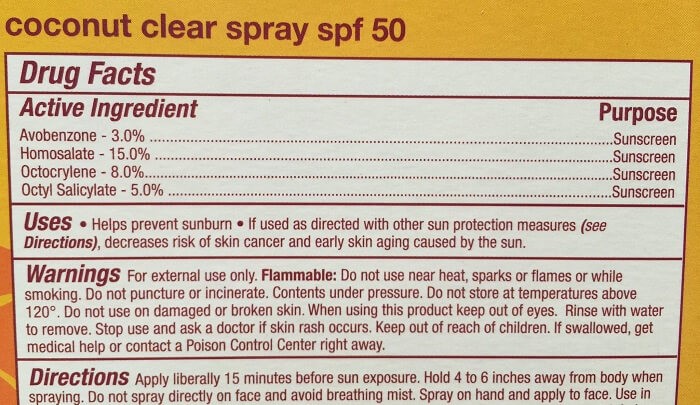
  • Oxybenzone (benzophenone-3) – An organic compound found in many sunscreens, oxybenzone has been observed to disrupt hormone balance. One particular study observed changes in sex hormones and adverse reproduction effects from oxybenzone exposure.
  • Octinoxate (octyl methoxycinnamate) – Another troublesome ingredient commonly found in sunscreens, octinoxate, or octyl methoxycinnamate, can also be detrimental to your health. Research shows that like oxybenzone, octinoxate displays hormone-like activity in the body.
  • Homosalate – Also a widely used ingredient in sunscreens, homosalate can disrupt the hormones estrogen, progesterone, and androgen. It may also increase the absorption of pesticides.
  • Vitamin A – This vitamin is beneficial when taken in proper doses, but too much can lead to toxicity. When on the skin in the presence of sunlight, it may speed up the growth of cancerous tumors.

Unfortunately, exposure to many of these chemicals goes beyond just sunscreen. Oxybenzone, for example, is found in more than 500 other personal care products, including moisturizers, lipsticks, and anti-aging creams.

But Doesn’t Sunscreen Prevent Skin Cancer?

There is evidence that sunscreen application has a beneficial effect in relation to skin cancer and photoaging. However, despite a steady increase in sunscreen sales, melanoma rates have increased significantly in the last few decades. Interestingly, the introduction of more powerful UV blockers in the 1990s correlates with increased, not decreased rates of melanoma.

The main purpose of sunscreen is to protect against sunburn. Yet there are other types of sun damage that increase the risk of skin cancer and speed up the skin’s aging process. Sunscreen is less effective at combating this type of damage that includes the formation of free radicals. Even worse, certain chemicals in sunscreen may promote free radical production. This could be another reason why skin cancer rates are on the rise.

Another issue is that people tend to think that as long as they apply a high-SPF sunscreen, they are good to stay out in the sun all day. However, total sun exposure is significant in relation to skin cancer and skin aging regardless of whether you put sunscreen on. Everyone should take measures to limit their exposure to the sun by moving to shaded areas frequently and wearing protective clothing as much as possible.

On the other end of the spectrum, it’s not a good idea to avoid the sun altogether. This is because the sun is our best source of vitamin D, which is an incredibly beneficial vitamin for many body functions.

Zinc and Titanium Oxide Sunscreens a Better Option

It’s been established that both too much and not enough sun exposure can be harmful. But it’s often not feasible to get the right amount of sun exposure each day. After all, many of our favorite activities and sports are enjoyed outside. So, what do we do if we want to be out in the sun but also don’t want to be exposed to harmful sunscreen ingredients?

Fortunately, concerns with commonly-used sunscreen ingredients have led the rise of natural alternatives. With a natural sunscreen, you can get the same sun-protection benefits, but without the synthetic chemicals that can potentially disrupt hormones, create free radicals, irritate the skin, and negatively impact the environment.

It’s important to note that to be classified as “natural,” a sunscreen needs only to contain zinc oxide and titanium oxide as its active ingredients. Although these substances are classified as naturally-occurring minerals, they are also on the list of harmful ingredients due mainly to their carcinogenic properties when inhaled. Therefore, you should steer clear of spray or powder forms of sunscreen that contain these ingredients.

Because titanium or zinc oxide sunscreens create a physical barrier to the sun, they can be more effective at preventing skin aging compared to their chemical counterparts. As these substances are not absorbed by the skin, your skin will likely look more opaque or white after application. In other words, don’t expect that rubbing this type of sunscreen on your skin will remove the white tint.

Choosing the Best Sunscreen

Titanium and zinc oxide sunscreens are effective and can be a healthy alternative to traditional sunscreens. But if you decide to use this type of sunscreen, you’ll want to take a look at the inactive ingredients to make sure they are not potentially harmful.

Like natural sunscreens, sunscreen products that are labeled “organic” can be problematic too. These products only have to contain a certain percentage of organic ingredients, so some synthetic ingredients may be hiding in these too. Again, make sure to check the labels and research any ingredients that you aren’t familiar with.

Some people believe that certain essential oils can be used as an effective sunscreen. The SPF value of these essential oils, however, is far too low to be considered an effective sunscreen. Additionally, certain essential oils are photosensitive, so they can actually be harmful to use in the sun. Stick with using essential oils for sun-damaged skin and not as a sunscreen.

To sum it up, research shows that chemical-based sunscreens can cause a number of health issues. When choosing a sunscreen, make sure to follow these guidelines:

  • Make sure it is mineral-based (zinc oxide or zinc & titanium oxide)
  • Steer clear of spray-ons or powders
  • Avoid toxic ingredients (read the label)
  • Look for fewer ingredients overall
  • Pass on sunscreens that contain fragrances
  • Choose an SPF of 30 or higher

Remember also that it’s not all about the sunscreen. You should also take measures to limit your exposure by covering up and finding shade as much as possible.

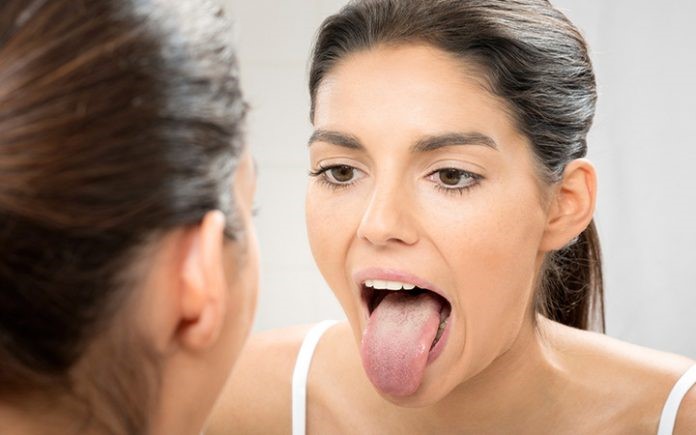
What Does Your Tongue Color Reveal?

Have you ever brushed your teeth, looked in the mirror and saw that your tongue’s color is different? Well, this unusual color of your tongue may tell a lot about your health.

Here are 6 colors you may encounter and what they mean.

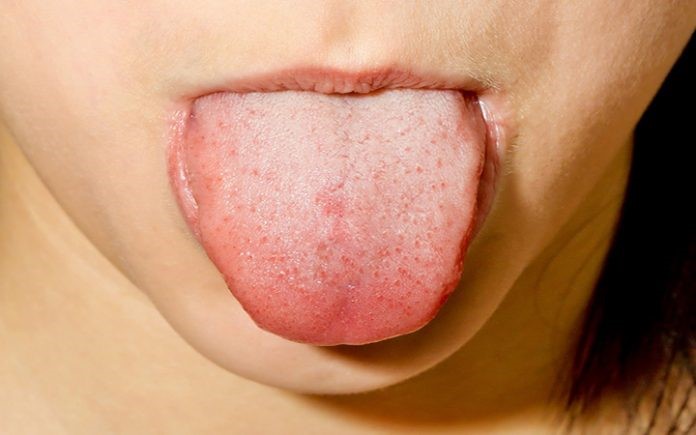
White Tongue

That thick and heavy white coating on your tongue is called leukoplakia, which can be the result of smoking.

People usually can’t tell the difference between leukoplakia and another health issue known as thrush. The former has a coated appearance, while the latter has a cottage cheese appearance. Thrush is often linked to diabetes and a weak immune system.

If you smoke, then you are very likely to experience leukoplakia. However, you may not notice that you have it, since this condition develops slowly and gradually until it gets out of control. It is at this moment that you notice you have a thick coating on your tongue.

Black and Hairy Tongue

Black and hairy tongue occurs when there is accumulated yeast in your mouth. Actually, this condition occurs in heavy smokers. So, if you are a social smoker, you probably have nothing to worry about.

To prevent this condition, you have to take a good care of your oral hygiene, stop smoking, brush your teeth three times a day, and floss regularly.

In addition, you have to visit your dentist for a check-up and a professional cleaning once or twice a year, especially if you are a smoker.

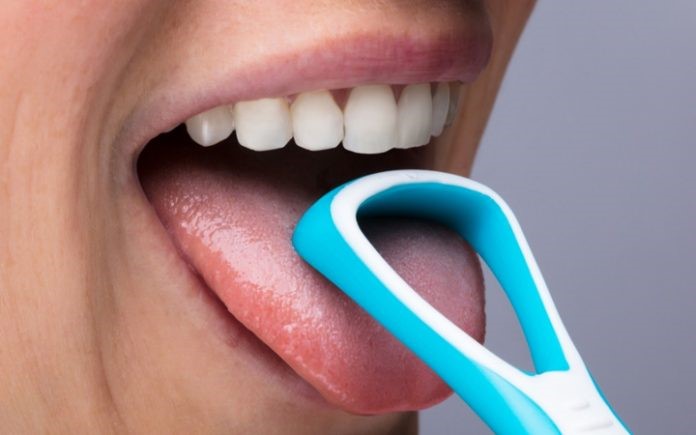
You can consider using an electric toothbrush, as it helps achieve better mouth cleaning. When you brush your teeth, you have to brush your tongue too. That is why an electric toothbrush would be effective.

Yellow Tongue

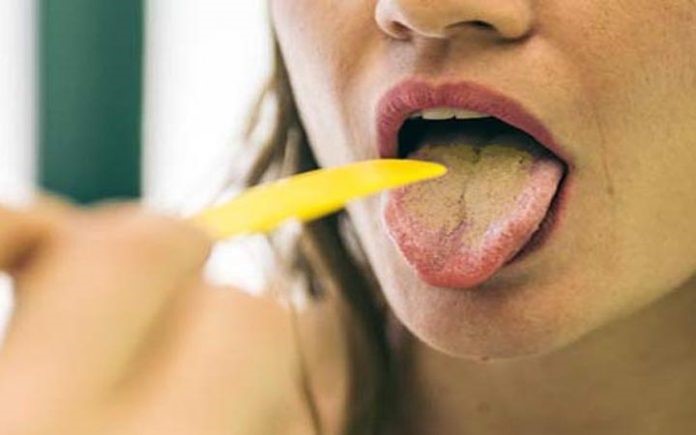
Having a yellow tongue can indicate that you may have liver or stomach issues. Having a yellow tongue can be the beginning of a disease that would later turn your tongue’s color into black or brown.

Yellow tongue occurs when the bacteria build up on your tongue and form a layer. This is often the result of poor oral hygiene. When you don’t brush your teeth and mouth after each meal, you give bacteria the chance to thrive on the papillae of your tongue and turn its color into yellow.

Yellow tongue can also be the result of smoking or using certain medications.

Pale Tongue

If you have a pale-colored tongue, then you might have a deficiency in certain vitamins, namely, vitamin B12 and vitamin A. This condition can be easily treated with the help of your doctor. After the necessary diagnosis and tests, they would prescribe some medications and supplements to add to your diet.

To prevent this condition or manage the symptoms, try to consume foods rich in vitamin A, such as liver sausage, beef liver, lamb liver, salmon fish, butter, cheddar, camembert, carrots, sweet potatoes, collards, turnip greens, etc. Or foods rich in vitamin B16, such as leafy greens, liver, eggs, milk, black beans, lentils, etc.

Brown Tongue

According to the American Academy of Oral Medicine, brown tongue is the result of the growth of bacteria on the surface of your tongue. It occurs when your tongue is covered with small tissue known as filiform papillae, which are about 1 mm long.

Colored tongue is usually the result of smoking, poor oral hygiene, or the excessive consumption of tea or coffee.

In order to treat this condition, the first thing you should do is to stop smoking. You have to reduce you daily intake of coffee and tea as well and improve your oral hygiene.

If you don’t notice any changes, then you might want to have an appointment with your dentist.

Strawberry Tongue

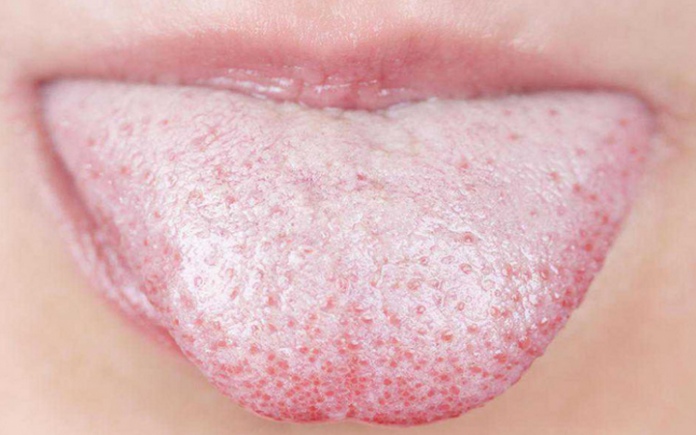
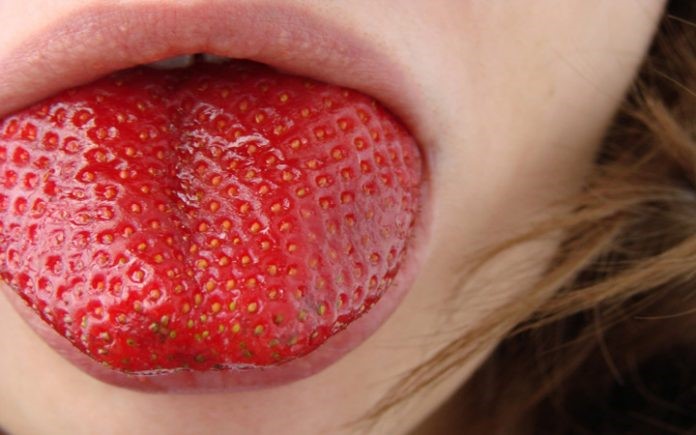
Strawberry tongue refers to a red swollen tongue. This condition usually occurs in children and is related to other health conditions, such as scarlet fever.

Strawberry tongue can indicate an allergy or a vitamin deficiency. Generally, strawberry tongue is accompanied by watery and itchy eyes, and a scratchy mouth.

A deficiency in B12 and B9 can cause strawberry tongue. This condition can cause tiredness, weakness, and memory complications.

Strawberry tongue in children can also be the result of Kawasaki disease, which is a serious condition with inflamed blood vessels all over the body, including the tongue and the mouth.

The treatment of strawberry tongue varies from one child to another, depending on the cause.

The next time you notice that your tongue is colored, consider the above-mentioned causes and consult with your doctor to find a viable treatment. The sooner, the better!

Eat Grapes for a Month and Get Amazed by the Results

Grapes have been utilized since centuries in the production of wine. There are various types of grapes, including black, green, yellow, red, and pink. They can be seedless or seeded and grow in clusters. Grapes are grown in Africa, Southern Europe, North and South America, and Australia. They are high in nutrients such as manganese, copper, potassium, vitamin B6, riboflavin, thiamine, vitamin K, vitamin C, antioxidants, fiber, fat, protein, carbs, polyphenols, and calories. Due to all the important nutrients that grapes contain, consuming them for a whole month will absolutely improve your overall health and prevent you from having a number of diseases.

Grapes Can Prevent a Potential Heart Disease.

There are various reasons why eating grapes can help you improve your heart function. Studies showed that grapes contain a high potassium level. Potassium is the nutrient that is directly linked to blood pressure. It was scientifically proven that low levels of potassium can lead to high blood pressure, while elevated levels of potassium can lower your blood pressure. According to studies, healthy blood pressure is equivalent to a low risk of heart diseases and strokes. Additionally, grape polyphenols were proven to lower LDL (bad cholesterol) and reduce inflammation. Moreover, it was proven that diets rich in veggies and fruits can help you lower the risk of having a cardiovascular disease.

Grapes Can Help You Improve Your Digestive System.

Fibers are carbohydrates that cannot be digested by the digestive system. That is why they are so important in the digestion process. They are widely found in plant-source foods such as fruits, vegetables, legumes, nuts, and seeds. They are very beneficial for the digestive system because they are considered as the fuel the colon cells need to keep healthy. Fiber, also, keeps your digestive tract flowing since it improves and regulates the bowel movements. The daily recommended intake of fiber ranges between 25 g for women and 38 g for men. If you eat too much fiber your body will know it, as you may experience bloating. In order to maintain a healthy digestive system, you can moderately consume grapes.

Grapes Can Boost Your Energy.

Grapes have been proven to contain many nutrients that are key to boosting energy. They are rich in carbohydrates which are natural energy boosting compounds. In addition, grapes contain fibers which can slow your body metabolism, allowing you to benefit the longest from the energy provided by the carbohydrates. According to a study done at the University of Georgia, the chemical substances found in the skin of grapes can enhance the muscle strength and improve stamina due to the quercetin, resveratrol, and catechins it contains.

The study was done on rats, but the researchers expect the same results on humans.

Grapes Can Prevent You from Having Cancer.

Studies showed that grapes abundantly contain resveratrol, which is a compound that has been linked to protection against cancer. It has been proved that resveratrol can prevent you from having cancer through the reduction of inflammation. This compound acts as an antioxidant agent that blocks the reproduction and migration of cancer cells within your body. Many studies conducted in China and Chile, in 2017 and 2018 respectively, proved that resveratrol can block cancer cells in the colon. This can apply to different cancers of the body. It is true that, studies on grapes and cancer are still limited, as most of them examine the relationship between antioxidants and cancer in general but following an antioxidant-rich diet would absolutely prevent cancer.

Grapes are delicious fruits, full of healthy nutrients that can improve your health, prevent cancer, help you have an easy breath, and healthy gut. Eat grapes for a month and let us know about the results!

What Happens If You Have A High Salt Intake?

Too much salt in your food can lead to health issues. Salt, or scientifically, sodium, is a crucial ingredient in any cuisine. It comes in a number of forms, colors, and particles according to the region where it comes from and the purpose of use. Due to its constituents, salt is also used to preserve food. In addition to seasoning food and making it delicious, salt has many other benefits on your health, such as preventing hyponatremia, ensuring a healthy pregnancy, maintaining dental hygiene, relieving muscle cramps, etc. However, a diet rich in salt may be harmful.

This is what might happen if you consume big amounts of salt.

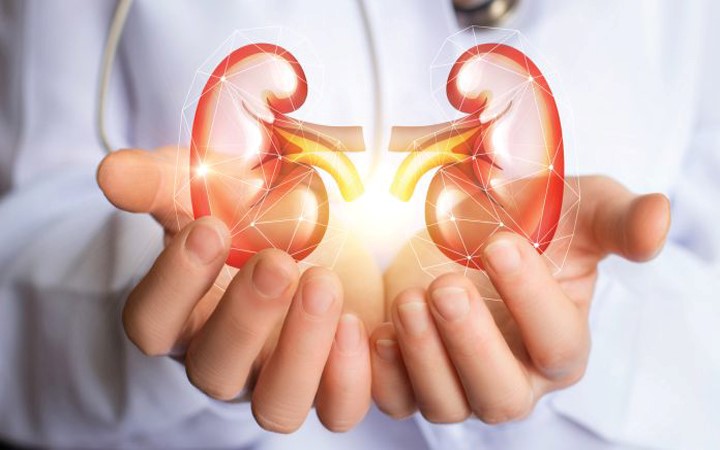
Salt Can Cause Kidney Disease

It has been proven that salt helps you keep your body hydrated. How so? Consuming salt helps retain the water in the body, which keeps it hydrated, but is too much hydration good for you? Absolutely not! Having too much water in your body means that your kidneys have to work harder to filter all the extra fluids.

In addition, extra water in your bloodstream means over pressurized arteries, which can lead to a strain on the arteries leading to the kidneys, and consequently damage.

You can even experience kidney failure, chronic kidney disease, or sudden death because of that extra pinch of salt you add to your meals.

Salt Can Elevate Your Blood Pressure

As I’ve have mentioned earlier, salt helps retain water in your body. Excessive water in your bloodstream requires harder work from your heart and arteries to be processed. The extra strain on your arteries makes their small muscles stronger and thicker. That is good, right? Not at all! Once your arteries’ muscles are stronger and thicker, the space in your arteries is smaller and narrower, and as we all know, narrow blood vessels are the major cause of high blood pressure.

It is true that this happens over the years, but having narrow vessels increases your risk of having chronic hypertension, a heart attack, and heart disease.

Salt Can Cause Heart Disease

Consuming too much salt in your meals can lead to heart damage through high blood pressure. Initially, this can lead to a reduction in the amount of blood that reaches your heart, leading to angina, which is a severe pain in the chest when you are active.

When you experience this condition, your heart cells stop receiving enough oxygen and nutrients to properly function.

If this condition persists without being treated, then know that you are heading towards a heart attack that might be fatal. When the heart does not get the oxygen it needs to function, the mere result is the death of this organ.

Salt Can Cause Brain Damage

Your high blood pressure caused by consuming high amounts of salt can lead to your brain damage. Similar to the heart damage, consuming too much salt can initially lead to a reduction of the amount of oxygen that reaches your brain. The lack of oxygen in your brain arteries can lead to dementia.

Not only that! The excessive consumption of salt can deactivate the endothelial cells. These are the brain cells involved in all the aspects of your vascular system.

Dysfunction of these cells may lead to many brain-related issues such as cognitive impairment, brain attack, strokes, cerebrovascular disease, etc.

Reduce your consumption of salt if you want to lower the risk of having your brain damaged.

Salt Can Lead to Cancer

A number of studies linked high salt intake to a higher risk of having stomach cancer. This can be the result of the growth of Helicobacter, which is a type of bacteria that can lead to a higher risk of stomach cancer.

In a study conducted at the Faculty of Medicine, University of Porto, Portugal more than 1,000 participants were examined to investigate the effect of a high intake of salt and gastric cancer. The results revealed that there is an association between the high consumption of salt and stomach cancer.

In another review, 268,718 participants with a high salt consumption were examined, and the results revealed that these participants were at 68% higher risk of having stomach cancer than those who moderately consumed salt.

However, bear in mind that these studies examined the correlation between a high salt intake and the risk of having stomach cancer. Up until now, there is no study that examined if stomach cancer can be developed because of salt.

Salt Can Lead to Osteoporosis

Osteoporosis is a bone disease in which your bone density and quality decrease. As your bones become more fragile, they become prone to fracture. This health condition occurs silently and has no symptoms.

Usually, patients who have osteoporosis do not discover this until they get the first fracture. However, in some cases, osteoporosis and bone pain can be associated.

Statistically, 1 in 3 women and 1 in 5 men are prone to osteoporosis. It is estimated that every 3 seconds an osteoporosis fracture occurs, and the risk increases as you age.

The major cause of this bone issue is the lack of calcium. When you consume too much salt, the sodium interacts with calcium and this leads to a low amount of calcium in your bones.

To avoid this health condition, you have to decrease your salt intake and increase your calcium and vitamin D intake. It is undeniable of the various benefits that salt has on your health, but it was my attempt rather to shed light upon the dangers of consuming too much salt. So, try to reduce your salt intake, and keep in mind that salt isn’t just that substance we add to our food. Salt, or sodium, highly resides in processed foods, so avoid these too!

This Habit May Be as Risky as Smoking

Most people think smoking is the worst thing they can possibly do for their health. But in reality, perhaps the worst thing of all is something most of us do every day: sit. We sit when we drive, work, eat, use the computer, watch TV and read. In fact, before you read any further, you should probably stand up. It turns out that the more time you stay planted on your rear, the less time you’re destined to live on this planet.

Here’s what we know:

Eye-opening research shows that keeping your butt in a chair (or on the couch) for hours at a time can lead to cancer, obesity, type 2 diabetes, cardiovascular disease and premature death. One study by the American Cancer Society found that women who sat six hours a day were 37 percent more likely to die by the end of the 13-year study period; men who sat were 18 percent more likely to die. Another study tied 49,000 U.S. cases of breast cancer and 43,000 of colon cancer to prolonged sitting.

Sitting isn’t dangerous just because it means you’re not exercising. It’s dangerous all by itself.

Prolonged time spent on your bum has significant metabolic consequences. It negatively affects your blood sugar, triglycerides, good cholesterol, resting blood pressure and levels of the “appetite hormone” leptin, all of which are biomarkers of obesity and cardiovascular disease.

Sitting also sabotages the lymph system, which helps the body fend off infections. Lymph vessels, which drain waste materials created by an infection, don’t have a pump like the heart; they’re controlled by rhythmic contractions of the muscles in your legs. So when you sit, the lymph system can’t do its job.
If you sit all day but make sure to get to the gym or go for a walk after work, isn’t that enough?

Unfortunately, no.

Bursts of exercise is not the answer; 2 hours of exercise per day will not compensate for 22 hours of sitting. In fact, sitting for five or six hours a day, even if you spend an hour a day at the gym, is the equivalent of smoking an entire pack of cigarettes.

Moving more is tough, especially since most people’s jobs revolve around sitting. But breaking up endless time on your bum, even for a few minutes, can make a huge difference. Key enzymes move, blood flows, mind and muscles flex. Here is what you can do to sit less:

1. Get up and move at least every 30 minutes. Make an effort to go get water or coffee so you’re forced to stand. Pace up and down the hall or just stand when you’re on a phone call. Even fidgeting helps.

2. Go ahead, watch your favorite TV shows—but don’t just sit there. Cook, fold laundry, empty the dishwasher or ride a stationary bike.

3. If you have to spend all day at your computer, consider investing in a treadmill desk. That way you can keep moving even while you work.

4. Make sure you exercise. Even though working out won’t completely rid you of the negative effects of sitting, a study found that active people who sat for long periods of time lived longer than inactive people who sat. Try a morning or lunchtime workout to get yourself going or make a mini-workout of your household chores.

Our mailing address is:
NewLife Wellness & Weight Loss
736 Mountain Blvd
Watchung, NJ 07069

Website: https://newlifeweightlossnj.com/